
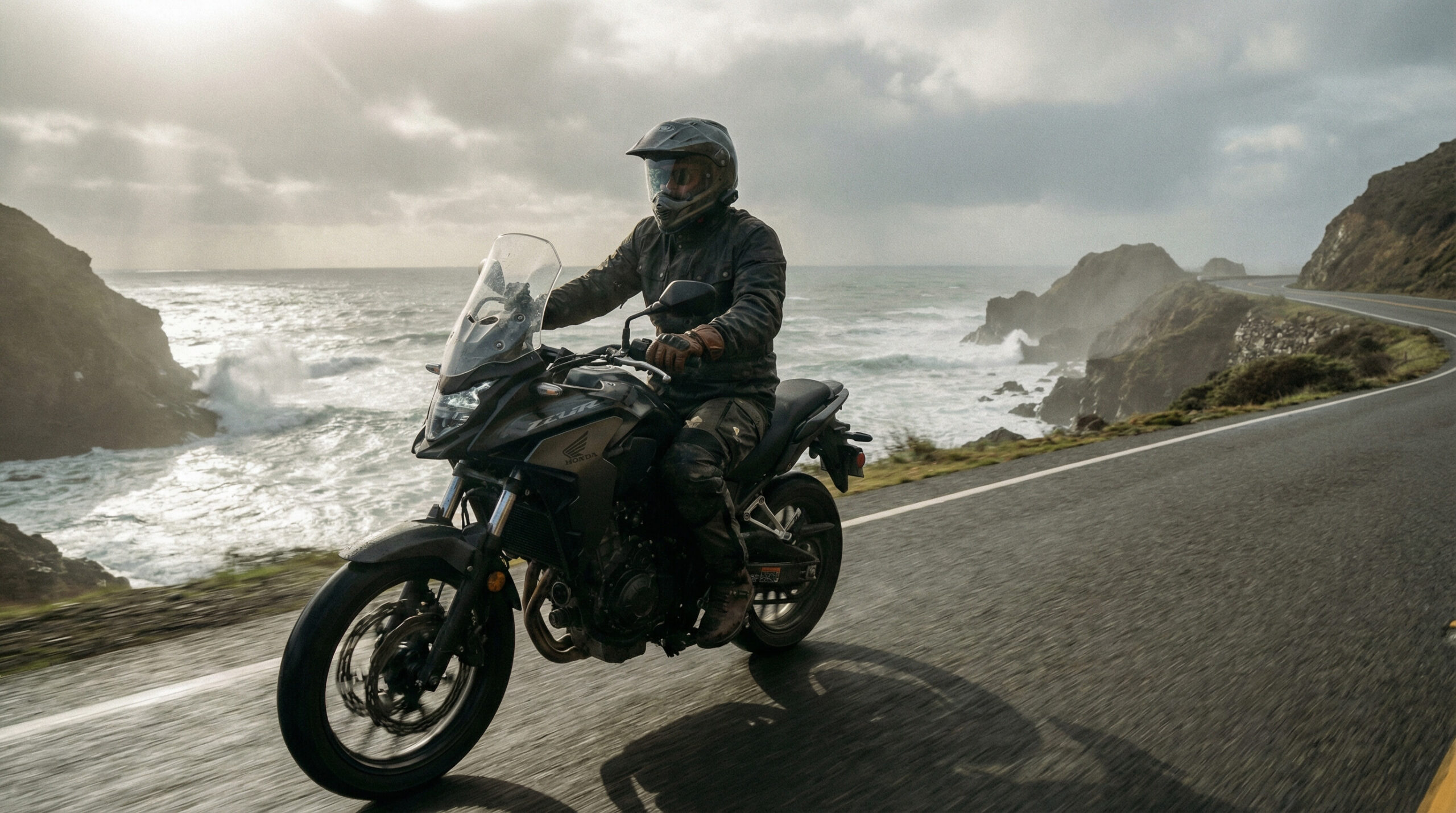
Coastal motorcycle routes are some of the most rewarding rides you can take—but they’re also deceptively demanding. Strong crosswinds, cool ocean air, sudden fog, and salty moisture can wear you down fast if your gear isn’t up to the job.
The right setup doesn’t just keep you comfortable—it keeps you focused, relaxed, and enjoying the ride instead of fighting it.
Below is the gear that actually matters when riding coastal routes, and why.
1. Wind-Blocking Jackets That Still Breathe
Coastal riding often feels cooler than expected, even in summer. Constant wind exposure pulls heat from your body, especially at highway speeds.
What to Look For
- Effective wind-blocking panels on the chest and arms
- Ventilation control so you don’t overheat when inland temps rise
- Water resistance for fog, mist, and light coastal rain
A good touring jacket should block wind without turning into a sauna once the sun comes out.
Best for: Long coastal highways, exposed cliffside roads, variable temps
2. Windscreens & Fairing Extensions for Crosswind Fatigue
Crosswinds are the silent energy drain of coastal routes. Even moderate wind can force you to fight the bars all day, leading to shoulder and neck fatigue.
Why Windscreens Matter
- Reduce chest pressure in sustained winds
- Improve stability during gusts
- Help conserve energy on long coastal stretches
Even a small screen or adjustable extension can dramatically improve ride comfort in windy coastal conditions.
Best for: Pacific Coast Highway, cliffside routes, open shoreline roads
3. Corrosion-Resistant Luggage & Mounts
Salt air is brutal on motorcycle hardware. Over time, it accelerates corrosion on zippers, mounts, fasteners, and exposed metal.
Smart Coastal Luggage Features
- Powder-coated or stainless hardware
- Sealed zippers or roll-top designs
- Weatherproof mounting systems
If you ride coastal routes regularly, durability matters just as much as storage capacity.
Best for: Multi-day coastal tours, fog-heavy regions, ocean-adjacent routes
4. Gloves That Handle Wind Without Killing Feel
Cold hands reduce control and increase fatigue. Coastal winds can chill your fingers even when the air temperature feels mild.
Ideal Coastal Gloves
- Wind-blocking outer layers
- Moderate insulation (not full winter bulk)
- Good tactile feel for throttle and brakes
You want protection from the wind without sacrificing control.
Best for: Cool mornings, long highway stretches, gusty afternoons
5. Layering Systems for Fog-to-Sun Transitions
One of the biggest coastal challenges is rapid weather change. Foggy mornings often turn into sunny, warm afternoons just a few miles inland.
Layering That Works
- Lightweight base layers that wick moisture
- Mid-layers you can remove quickly
- Compact rain shells for mist and drizzle
The goal is flexibility—not bulk.
Best for: Routes that bounce between shoreline and inland stretches
Coastal Touring Gear Mistakes to Avoid
- Riding without wind protection because “it’s not cold”
- Using non-weatherproof luggage near the ocean
- Ignoring glove choice on long, windy days
- Wearing gear that can’t adapt to fast temperature swings
Comfort problems on coastal rides tend to build gradually—until they ruin the day.
Final Thoughts
Coastal routes reward riders who prepare for wind, moisture, and variability, not just temperature. The right gear setup lets you relax into the scenery instead of constantly adjusting your posture, layers, or pace.
If coastal touring is on your route list this season, dialing in your gear now will pay off mile after mile.
Additional Resources
- Coastal vs Mountain Touring: What to Expect (Post# 45)
- Best Windscreens for Reducing Fatigue
- Best Accessories That Improve Long Ride Comfort
- Pacific Coast Highway Motorcycle Ride Guide