
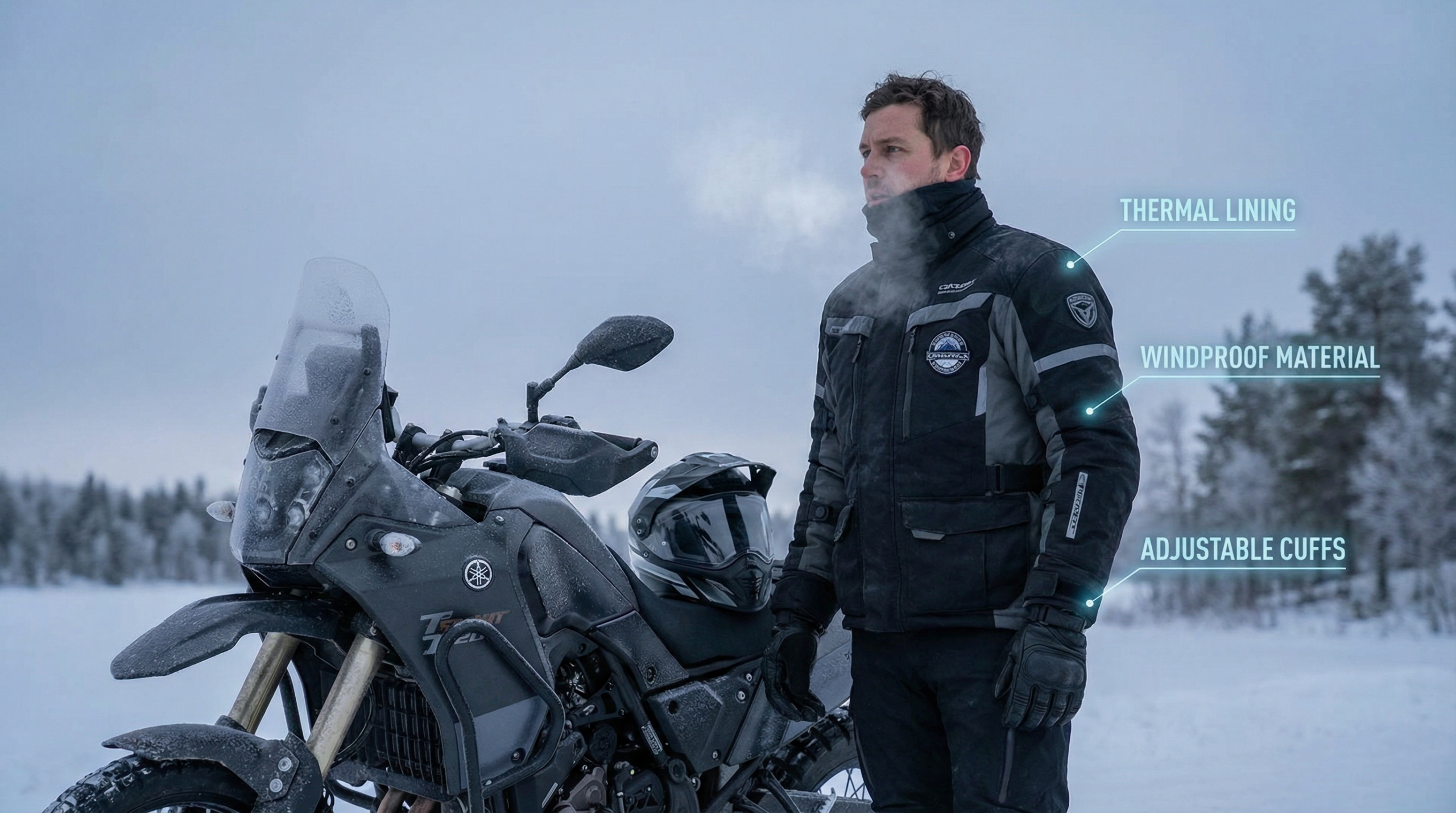
Operating a motorcycle is exhilarating; however, as winter approaches, the equipment you select becomes essential for your safety and comfort. It’s not just about keeping warm. Chilly conditions can adversely affect your motorcycle’s performance as well. Tires don’t grip as well, and staying alert becomes harder when you’re shivering.
Protective gear is a no-brainer for all riders, but in frosty conditions, choosing the right jacket isn’t just about style – it’s about survival. Your jacket needs to be a fortress against the elements, offering insulation while being breathable to avoid overheating. This balance is vital to maintaining focus on the road.
Knowing what to look for can make a world of difference. Prioritize jackets with quality materials. Think thick leathers or advanced textiles designed to withstand biting winds. CE-rated armor in the elbows, shoulders, and back is a must for impact protection.
Safety standards are your best friend. Aim for jackets that meet or surpass CE ratings. They might cost more upfront, but investing in your safety is priceless. Gear that complies will ensure you’re not just dressed to impress, but are genuinely protected from icy wind chills and potential spills on slippery roads.
Winter weather is unpredictable. So when picking out that perfect jacket, be sure it’s up for the challenge of winter’s worst. It’s about making choices that keep you safe and sound, riding through winter’s wonderland without a hitch.
Top Motorcycle Jackets for Winter: A Buyer’s Guide
Riding through winter demands gear that can brave the elements without breaking a sweat. Choosing the best motorcycle jacket for winter can be a game-changer in how you experience those frosty rides. It’s time to dig into some of the top-performing jackets that have riders buzzing.
Quality consistently distinguishes itself, making it prudent to consider reputable brands known for their history in winter apparel. Brands such as Alpinestars, Dainese, and Klim offer models that are specifically engineered to block out the cold while ensuring comfort and safety.
When scouting jackets, materials matter. Consider choosing thick leather for its classic durability and wind resistance, or high-tech textiles that offer excellent thermal retention. Jackets with removable thermal liners can adapt to changing temperatures, adding versatility to your gear collection.
Reviews from fellow riders offer invaluable insights. Genuine feedback from users can provide insights into the advantages and disadvantages of various jackets, including their waterproof features and their performance during extended rides in frigid temperatures. Through reviews, you’ll find the best fit for your personal riding style.
When inquiring about the most suitable motorcycle jacket for winter, it is essential to consider various factors: protection, warmth, material, and genuine user experiences. Remember, a top-notch jacket is an investment in a safer, more enjoyable ride.
Layering Up: Essential Cold Weather Gear for Motorcyclists
Riding in the cold isn’t just about a great jacket. Layering is your secret weapon to beat the chill while you ride. A smart layering system can make even the harshest winter day feel like a breeze.
Start with a solid base layer. You want something snug that wicks away moisture, keeping you dry and warm. Merino wool or synthetic fabrics are top choices here, providing both comfort and efficiency.
Next, think about adding a mid-layer for extra insulation. A fleece pullover or a thermal shirt offers sweet warmth without feeling bulky. You need that perfect combo of toasty and flexible.
Then, there’s the outer layer. Your jacket handles protection, so focus more on this layer’s ability to shield you from the wind and rain. Waterproof pants, windproof gloves, and sturdy boots complete the ensemble to keep you dry and mobile.
Answering the question about what to wear on a motorcycle in cold weather centers around layers. Each piece should work as part of a system, with every layer playing its role in keeping winter at bay and you, the rider, cozy.
Decoding Temperature Thresholds: When is it Too Cold to Ride?
Riding in the winter can be refreshing, but when does cold become too cold? It’s crucial to know the lines, so your love for the road doesn’t turn risky. The temperature threshold can vary depending on your gear, experience, and even your bike’s setup.
For many, anything below 32°F (0°C) begins to advance towards tricky territory. Ice patches pose an increasing threat, while the cold affects both reaction times and levels of comfort. Everybody feels cold differently, but extreme cold can affect your decision-making skills and how fast you react to sudden situations.
Your motorcycle also has a say in this. Some bikes handle cold weather better, with engines that adapt to decreases in temperature more effectively than others. Maintenance is key here—keeping everything running smoothly as the mercury drops will give you peace of mind once you’re out on the road.
Safety isn’t just about feeling warm, but about ensuring that icy winds and hypothermia don’t sneak up on you. Check the weather forecast before heading out, and don’t push boundaries just for the thrill of it. At times, the most prudent choice is to forgo a day when the temperatures are frigid and the road conditions are questionable.
Ultimately, answering what temperature is too cold to ride boils down to personal judgment and situational awareness. Trust your instincts, gear up wisely, and prioritize safety. This will keep you riding confidently through those chilly months.
Staying Warm on the Road: Expert Tips for Cold-Weather Riding
As the temperature decreases, staying warm while riding your bike may seem like a challenging task; however, with the appropriate advice and equipment, it is entirely feasible. Comfort and safety go hand in hand when you’re trying to stay cozy on two wheels.
One cool trick is utilizing gear with integrated heating elements. Heated grips are a popular choice—they keep your hands warm and your fingers nimble. Electric vests and jackets with built-in heating technology provide warmth exactly where you need it most without adding bulk.
If you’re after a lower-tech solution, wind-blocking layers and proper space-sealing around your neck and face do wonders. Neck warmers or balaclavas can block the wind and add a layer of cozy insulation right where it’d make the most difference.
Bike accessories don’t get left out either. Installing a windshield can make your rides more bearable during winter, reducing direct exposure to freezing winds. Pairing this with hand guards adds another layer of protection.
Proper maintenance of all your gear, from jackets to electronic components, extends their lifespan and effectiveness. Clean, dry, and store them correctly after each ride to ensure they’re in top-notch condition for your next adventure.
When considering the issue of how to stay warm while operating a motorcycle in chilly conditions, these recommendations provide practical solutions. Balancing technology with trusty old-school gear habits keeps you warm, safe, and ready for whatever the winter throws your way.
Do you have a favorite ride or gear recommendation? Let us know.