
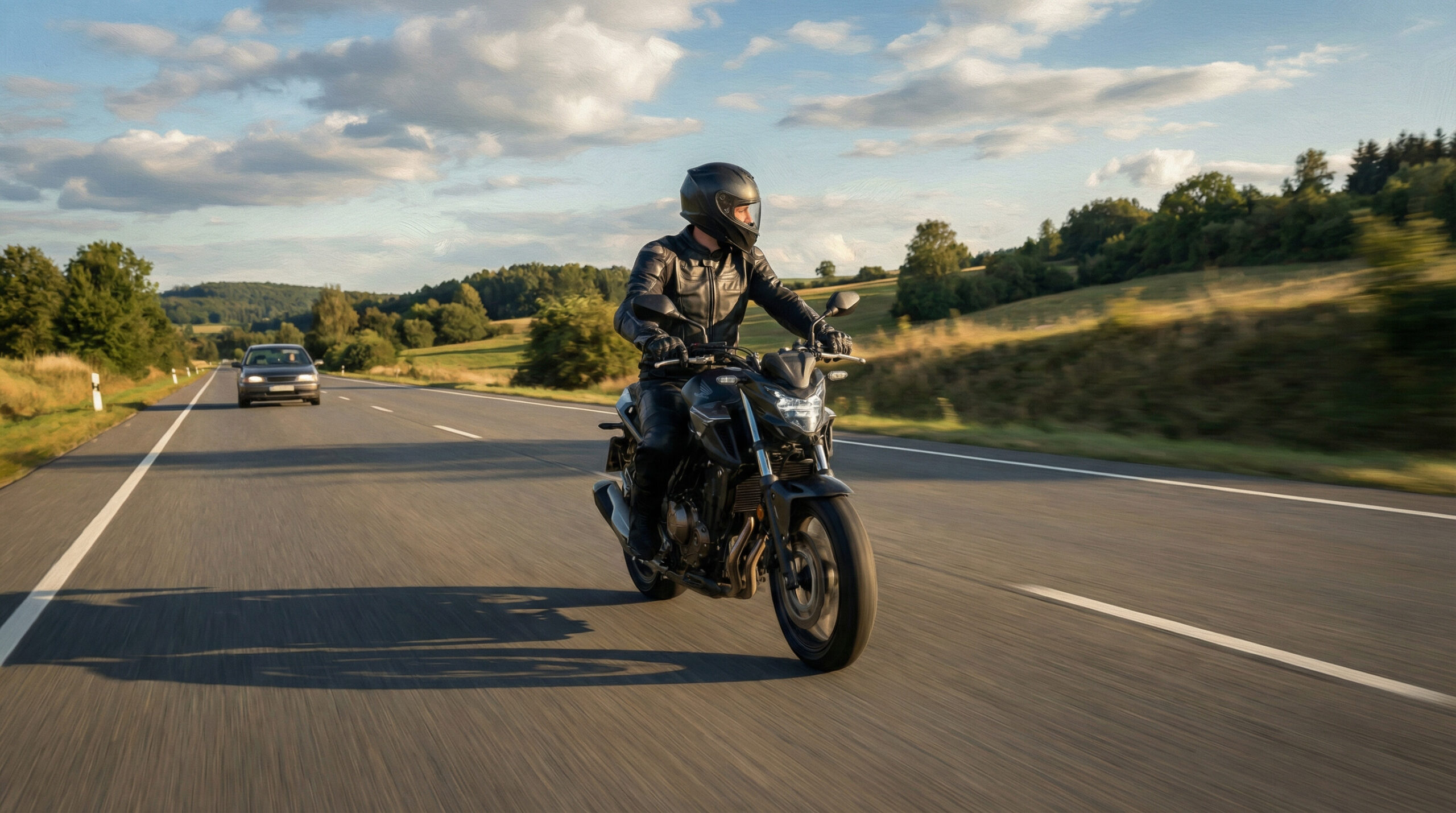
Build the Habits That Keep You Riding
Riding a motorcycle is one of the most rewarding ways to travel — but it demands a level of awareness, discipline, and preparation that goes beyond most other vehicles. Motorcycle safety isn’t about fear or restriction. It’s about building smart habits that dramatically reduce risk while increasing confidence and control.
This guide breaks down the core safety fundamentals every rider should master, whether you’re brand new or brushing up after years on the road.
1. Safety Starts Before the Engine Turns Over
Most riding mistakes happen before the bike even moves.
Mental Readiness
- Ride alert, not emotional or rushed
- Avoid riding when tired, angry, or distracted
- Assume other drivers do not see you
Your mindset sets the tone for every decision you’ll make on the road.
Pre-Ride Check (T-CLOCS)
A quick walkaround can prevent a ride-ending issue:
- Tires: Pressure, tread, damage
- Controls: Levers, throttle, clutch
- Lights: Headlight, brake, signals
- Oil & Fluids: Leaks or low levels
- Chassis: Chain/belt, suspension
- Stands: Side stand fully retracts
This takes 60 seconds and saves lives.
2. Gear Is Non-Negotiable
Protective gear isn’t about comfort — it’s about margin for error.
Helmet
- DOT (or better) certified
- Full-face offers the most protection
- Proper fit: snug, no pressure points
Riding Gear
- Abrasion-resistant jacket and pants
- Gloves with palm and knuckle protection
- Over-the-ankle boots with solid soles
Dress for the slide, not the ride.
3. Visibility Is a Survival Skill
If drivers don’t see you, nothing else matters.
Increase Your Visibility
- Ride with headlights on (day and night)
- Use reflective or high-contrast gear
- Avoid blind spots — especially near trucks and SUVs
- Adjust lane position to stay visible in mirrors
Communicate Early
- Signal early and clearly
- Use brake lights intentionally
- Don’t rely on “eye contact” alone
4. Lane Positioning & Space Management
Where you place your motorcycle matters as much as how fast you go.
Lane Position Basics
- Left track: visibility and escape options
- Center: oil, debris, and fluids collect here
- Right track: space from oncoming traffic
Adjust constantly based on traffic, surface, and sightlines.
Maintain Space
- Increase following distance (2–4 seconds minimum)
- Create escape routes at intersections
- Never ride boxed in
Space equals time. Time equals options.
5. Speed Control and Cornering Discipline
Speed itself isn’t the enemy — unmanaged speed is.
Smart Speed Habits
- Enter corners slower than you think you need
- Roll on the throttle smoothly through turns
- Avoid abrupt braking while leaned over
Braking Fundamentals
- Use both brakes properly
- Practice emergency stops in safe areas
- Progressive pressure beats panic-grabbing
6. Defensive Riding: Assume the Worst, Ride Your Best
Defensive riding doesn’t mean timid riding.
Key Defensive Principles
- Expect cars to pull out
- Cover your brakes in traffic
- Watch wheels, not faces
- Slow before intersections — even with the right of way
Ride like you’re invisible — because sometimes you are.
7. Road Hazards Every Rider Must Respect
Motorcycles react instantly to surface changes.
Common Hazards
- Gravel, sand, wet leaves
- Painted lines and metal plates
- Potholes and uneven pavement
- Wind gusts and turbulence near trucks
Slow down and keep inputs smooth.
8. Weather Awareness and Adaptation
Bad weather doesn’t end rides — unprepared riders do.
Riding in Adverse Conditions
- Rain: reduce speed, increase spacing
- Heat: hydrate and manage fatigue
- Cold: layering and dexterity matter
- Wind: relax your grip and countersteer calmly
If conditions exceed your comfort or skill level, stop riding.
9. Fatigue, Focus, and Long-Term Safety
Fatigue dulls judgment faster than most riders realize.
Signs of Fatigue
- Slower reaction times
- Missed signals or exits
- Poor throttle or brake control
Take breaks often — especially on longer rides.
(See our Riding Fatigue Explained guide for deeper strategies.)
Motorcycle Safety Fundamentals Checklist
Before Every Ride
- Helmet fastened, gear zipped
- Tires and lights checked
- Mindset focused and calm
On the Road
- Stay visible
- Maintain space
- Ride defensively
- Control speed, especially in corners
Ongoing
- Practice braking and maneuvers
- Refresh skills regularly
- Never stop learning
Final Thoughts
Motorcycle safety isn’t about perfection — it’s about stacking smart habits in your favor. Every ride is different, but the fundamentals never change. When you ride alert, prepared, and intentional, you don’t just reduce risk — you become a better, more confident rider.
Safety isn’t what limits freedom on a motorcycle.
It’s what allows you to keep riding.