
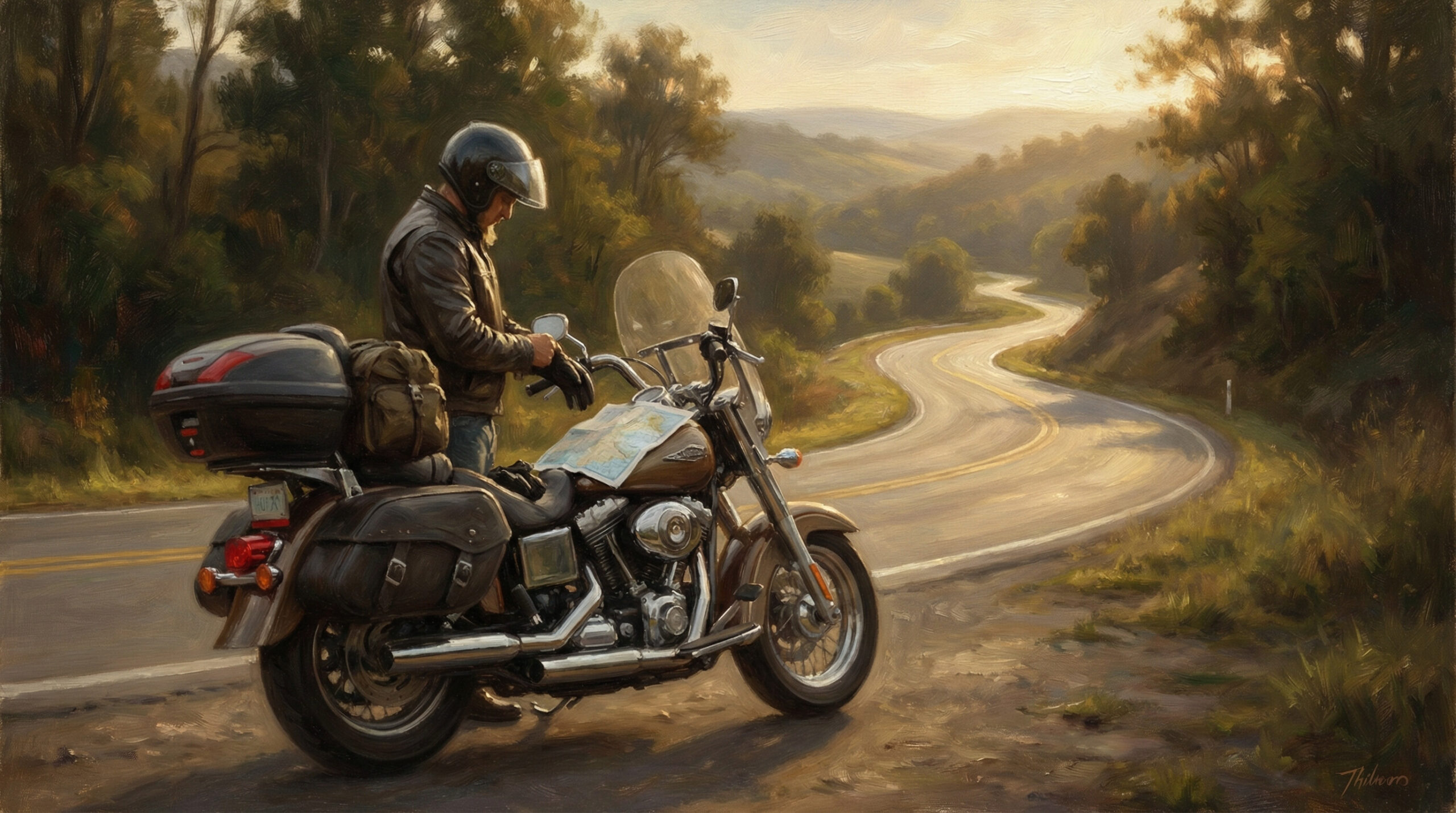
How to Plan, Ride, and Finish Strong
Long motorcycle rides are where the magic happens — open roads, changing scenery, and hours of uninterrupted riding. They’re also where small mistakes compound into big problems if you’re not prepared.
Preparing for longer motorcycle rides isn’t about overplanning. It’s about reducing friction, managing fatigue, and staying mentally sharp from the first mile to the last.
This guide walks you through everything you need to know to ride farther, safer, and with confidence.
1. What Counts as a “Long Ride”?
A long ride isn’t defined by mileage alone.
For many riders:
- 200–300 miles is a long day
- Multiple consecutive days change the equation entirely
- New riders may feel fatigue sooner
The key factor is time in the saddle, not distance.
2. Route Planning: Ride Smart, Not Just Far
Good planning removes stress before it ever appears.
Choose the Right Roads
- Favor scenic secondary highways when possible
- Avoid peak traffic hours near cities
- Research road conditions and construction zones
Break the Ride Into Segments
- Plan fuel stops every 100–150 miles
- Identify rest areas and food stops
- Build in flexibility — not rigid schedules
Navigation Strategy
- Use GPS, but know the route mentally
- Keep backups (phone mount + offline maps)
- Avoid fiddling with devices while moving
3. Bike Setup and Pre-Ride Checks Matter More
Small mechanical issues feel much bigger after hours of riding.
Essential Pre-Ride Inspection
- Tire pressure (adjust for load)
- Chain/belt condition and lubrication
- Brake pad life and fluid levels
- Lights, signals, and horn
Comfort Adjustments
- Adjust levers and mirrors
- Consider a windshield or wind deflectors
- Seat comfort matters more than style on long rides
A comfortable bike reduces fatigue before it begins.
4. Gear Selection for Long Days
Long rides reward comfort, protection, and adaptability.
Riding Gear Essentials
- Full protective gear (always)
- Layering system for temperature swings
- Waterproof options or rain gear
- Earplugs to reduce wind fatigue
Storage Strategy
- Keep essentials accessible
- Balance weight evenly
- Secure everything — loose gear becomes dangerous
5. Managing Fatigue on Long Rides
Fatigue is the number one limiter on long motorcycle rides.
Fatigue Management Strategies
- Take breaks every 60–90 minutes
- Hydrate consistently, not just at stops
- Eat light, frequent meals
- Stretch during stops
Know When to Stop
- Sloppy inputs
- Missed cues
- Reduced focus
Pushing through fatigue doesn’t make you tough — it makes you unsafe.
(See Riding Fatigue Explained for a deeper dive.)
6. Weather Awareness and Adaptation
Long rides increase exposure to changing conditions.
Plan for Variability
- Check forecasts along the entire route
- Expect temperature swings
- Prepare for wind, rain, and heat
Riding Adjustments
- Slow down in poor conditions
- Increase following distance
- Take shelter when needed
There’s no shame in rerouting or stopping early.
7. Fuel, Food, and Hydration Strategy
Your body needs fuel as much as your bike.
Hydration
- Start hydrated
- Sip water regularly
- Avoid excessive caffeine
Nutrition
- Light meals > heavy meals
- Snacks keep energy stable
- Avoid large sugar spikes
A tired brain makes bad decisions.
8. Riding With Others vs Solo Riding
Long rides change group dynamics.
Group Ride Tips
- Ride at your own pace
- Establish hand signals and regroup points
- Avoid pressure to keep up
Solo Ride Considerations
- Share your route with someone
- Carry basic tools and emergency gear
- Be conservative with risks
9. Mental Preparation and Expectations
Long rides test patience as much as skill.
Set Realistic Expectations
- Delays will happen
- Weather will change
- Plans may shift
A flexible mindset turns challenges into part of the experience.
Long Ride Preparation Checklist
Before the Ride
- Route planned with fuel and rest stops
- Bike inspected and adjusted
- Gear layered and packed
- Weather reviewed
During the Ride
- Ride your pace
- Take regular breaks
- Hydrate and eat consistently
- Monitor fatigue
After the Ride
- Stretch and recover
- Inspect the bike
- Note what worked and what didn’t
Final Thoughts
Long motorcycle rides are earned, not rushed. The more thoughtfully you prepare, the more you’ll enjoy every mile — and the safer you’ll arrive at your destination.
Preparation doesn’t take the joy out of riding.
It protects it.