
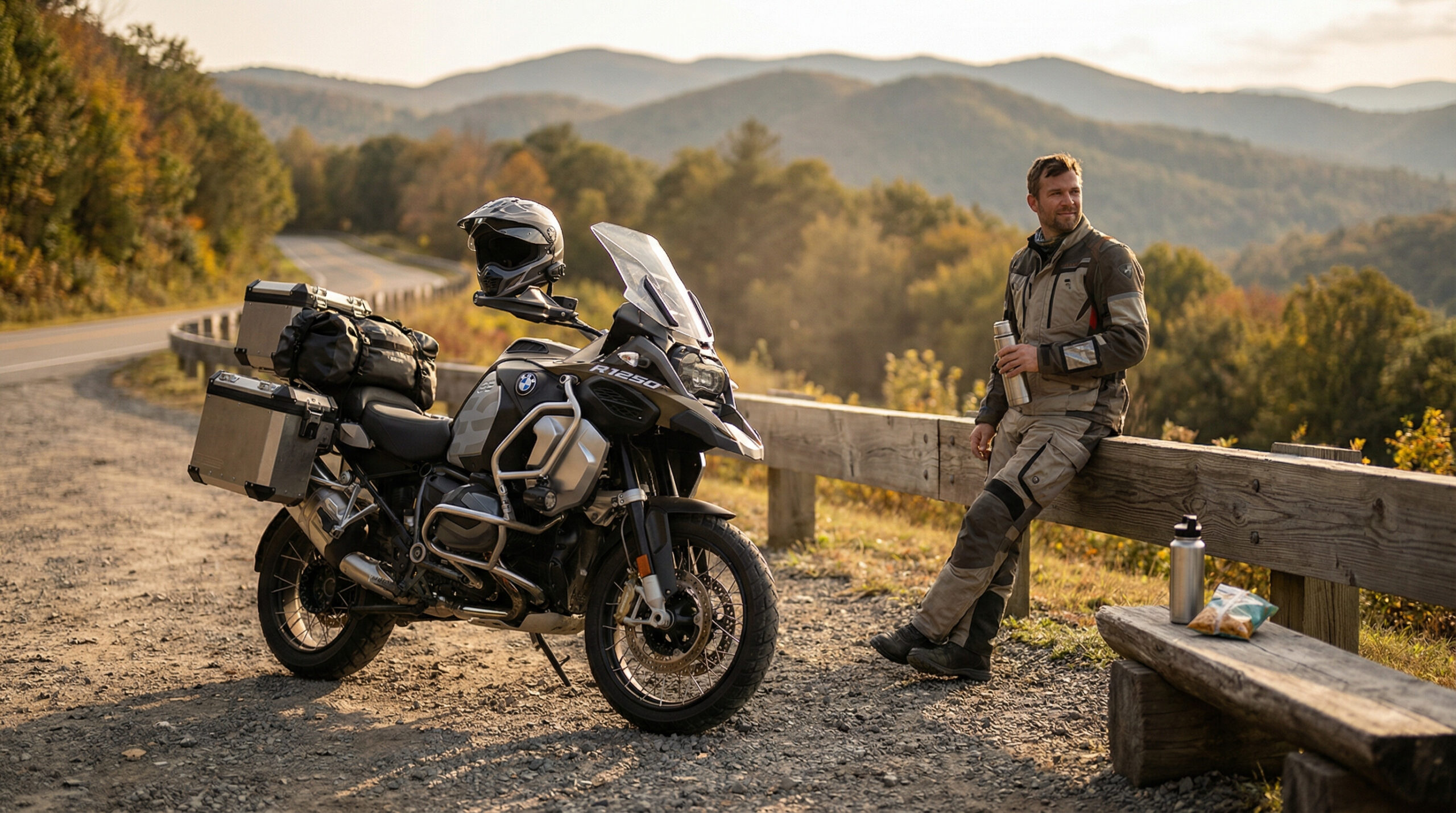
Long motorcycle rides are about freedom, scenery, and the joy of being on the open road — but fatigue can quietly turn an epic ride into a miserable one. Physical strain, wind exposure, vibration, and mental exhaustion all add up over hours in the saddle.
The good news? Most long-ride fatigue is preventable with the right preparation, gear, and riding habits. This guide breaks down the biggest causes of rider fatigue and shows you how to reduce them so you can ride longer, safer, and more comfortably.
Why Fatigue Matters on Long Rides
Fatigue isn’t just uncomfortable — it’s dangerous.
When you’re tired:
- Reaction times slow
- Focus drops
- Small mistakes become more likely
On long-distance or multi-day tours, managing fatigue is just as important as route planning or packing the right gear.
1. Improve Seating Comfort
One of the biggest contributors to rider fatigue is pressure and discomfort from the seat. After hours in the saddle, even small pressure points can cause pain in your lower back, hips, and tailbone.
Touring Seat or Seat Cushion
A purpose-built touring seat or high-quality seat cushion helps distribute weight evenly and reduces pressure points during long rides.
Why it helps
- Reduces pressure on hips and tailbone
- Improves posture and spinal alignment
- Allows longer ride times without discomfort
Key Features
- Ergonomic shape designed for long-distance riding
- Pressure-relieving foam or air-cell construction
- Easy installation or removable design
2. Reduce Wind Fatigue
Constant wind pressure on your chest, shoulders, and helmet is exhausting over time. Even at moderate speeds, wind resistance forces your body to fight airflow for hours.
Touring Windscreen or Fairing Extension
A properly sized windscreen or fairing extension redirects airflow, significantly reducing upper-body fatigue.
Why it helps
- Reduces pressure on the chest and shoulders
- Minimizes helmet buffeting
- Improves overall riding comfort at highway speeds
Key Features
- Adjustable height or angle
- Designed for highway and touring speeds
- Compatible with popular touring and ADV bikes
3. Wear Fatigue-Reducing Riding Gear
The gear you wear plays a major role in how tired you feel after a long day on the bike. Poor fit, heavy materials, or lack of ventilation can drain energy quickly.
Touring Gloves
Gloves designed for long-distance touring reduce vibration and pressure on your hands.
Key Benefits
- Padded palms to reduce vibration
- Pre-curved fingers to minimize grip strain
- Breathable materials for all-day comfort
See: Best Motorcycle Gloves for Long-Distance Touring
Touring Jackets and Base Layers
Temperature regulation is critical. Overheating or getting chilled accelerates fatigue.
Why it matters
- Proper airflow keeps your body cool
- Layering helps adapt to changing conditions
- Reduced sweating prevents dehydration
See: Best Motorcycle Jackets for Variable Weather Touring
4. Stay Hydrated and Fueled
Dehydration is one of the fastest ways to become fatigued — even mild dehydration can reduce concentration and reaction time.
Hydration Strategies
- Drink small amounts frequently
- Stop before you feel thirsty
- Pair hydration with fuel and rest stops
Helpful Gear
- Compact hydration packs
- Easily accessible water storage
- Insulated bottles for hot conditions
5. Plan Smart Breaks
Trying to “push through” fatigue usually backfires. Strategic breaks keep your mind sharp and your body relaxed.
Best practices
- Stop every 60–90 minutes
- Stretch shoulders, hips, and legs
- Walk briefly to restore circulation
Even short breaks dramatically improve endurance over a full riding day.
6. Control Daily Mileage
Riding beyond your comfort limit increases cumulative fatigue, especially on multi-day tours.
Tips
- Plan conservative daily mileage
- Factor in road conditions and weather
- Adjust plans based on how your body feels
See: How to Plan Daily Mileage on a Motorcycle Tour
7. Reduce Mental Fatigue
Mental fatigue is just as real as physical exhaustion.
Ways to stay mentally fresh
- Avoid riding tired or late at night
- Keep navigation simple
- Ride at your own pace, especially in groups
A relaxed mindset leads to smoother riding and better decision-making.
🔹 Fatigue-Reducing Gear
Best Overall Touring Helmet
👉 [Product Name Placeholder]
Fatigue-reducing gear helps you ride longer and more comfortably by reducing strain on your body over consecutive long days.
- Touring seat or seat cushion for pressure relief
- Windscreen or fairing extensions to minimize wind fatigue
- Comfort-focused gloves, base layers, or vibration-damping grips
Final Thoughts
Reducing fatigue on long motorcycle rides isn’t about riding less — it’s about riding smarter. The right combination of comfort-focused gear, wind protection, hydration, and pacing can turn exhausting rides into enjoyable journeys.
Long-distance touring should leave you tired in a good way, not worn down or unsafe. Set yourself up for success, listen to your body, and enjoy every mile.