Finding the Right Motorcycle in 2026
Choosing a motorcycle isn’t simply about finding the model with the most horsepower, technology, or features. The right motorcycle depends on where you ride, your riding experience, the riding style you enjoy, and what you expect from the bike once you own it.
For 2026, riders have plenty of choices. Lightweight cruisers can be an easier way into motorcycling, naked bikes offer versatile everyday performance, adventure motorcycles expand where you can explore, and touring machines continue to focus on comfort and capability for long days on the road.
Instead of picking one motorcycle as the best for everyone, we’ve selected motorcycles that stand out for different types of riders and riding styles.
Our picks include options for newer riders, commuting, cruising, adventure riding, sport touring, everyday riding, and long-distance travel.
Throughout this guide, we’ll investigate the features and characteristics that make each motorcycle worth considering, along with the situations where another choice might make more sense.
The goal is simple: help you narrow the choices and find a motorcycle that fits your riding style.
How We Chose the Motorcycles
There isn’t one motorcycle that’s right for every rider, so this list isn’t based on horsepower, price, or popularity alone.
Instead, we looked at motorcycles that stand out within different types of riding and considered the characteristics that can make them practical choices for real-world riders.
Our selections consider factors such as:
- Intended use: How well the motorcycle fits commuting, touring, cruising, adventure riding, or everyday use.
- Performance: Engine characteristics and capability relative to the motorcycle’s intended purpose.
- Comfort and ergonomics: Riding position, seat height, wind protection, and suitability for longer periods in the saddle.
- Practicality: Fuel capacity, storage, passenger accommodations, weight, and everyday usability where applicable.
- Safety and technology: Available features such as ABS, traction control, ride modes, cruise control, and other rider aids.
- Value: The overall combination of capability, equipment, and usefulness rather than purchase price alone.
Manufacturer specifications and available product information were also considered when evaluating how each motorcycle fits its category.
These selections are intended as a starting point for your research rather than a substitute for seeing and riding a motorcycle yourself. Specifications can tell you a lot, but they can’t tell you exactly how a motorcycle will fit your body, experience level, or riding preferences.
Whenever possible, sit on the motorcycles you’re considering, compare them side by side, and take a test ride before making your final decision.
Our goal isn’t to declare eight universal winners. It’s to highlight motorcycles that deserve consideration for different riders and riding types.
Best Overall / All-Around Motorcycle: 2026 Yamaha MT-07
Best For: Riders who need a versatile motorcycle made for commuting, weekend rides, back roads, and everyday use.
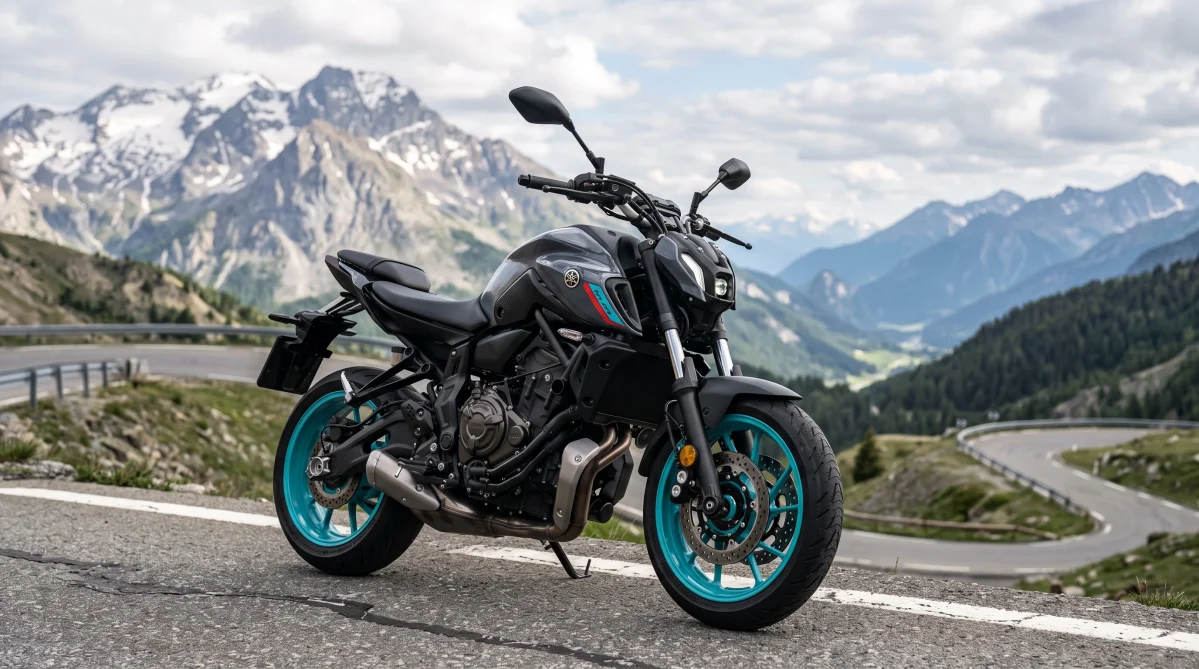
The 2026 Yamaha MT-07 earns our all-around pick because it combines usable performance, manageable weight, modern technology, and everyday versatility without becoming overly complicated.
Why It’s Worth Considering
At the heart of the MT-07 is Yamaha’s 689cc liquid-cooled parallel-twin engine. Its emphasis on usable low- and mid-range torque makes the motorcycle well suited to situations ranging from riding around town to exploring winding roads.
With a 403-pound wet weight and relatively compact dimensions, the MT-07 also avoids the size and weight of larger motorcycles. That can make it easier to maneuver around town, in parking areas, and on tighter roads.
Performance and Handling
The MT-07 uses a six-speed transmission with an assist-and-slipper clutch. For 2026, it also features a 41mm inverted KYB front fork, adjustable rear suspension, dual front brake discs with radially mounted four-piston calipers, and ABS.
This combination gives the MT-07 a decidedly sporty side without limiting it to performance-focused riding.
Technology and Features
The 2026 MT-07 includes Yamaha Ride Control with SPORT and STREET presets, along with a customizable mode. Riders can select different throttle maps and adjust the traction-control setting.
A five-inch color TFT display provides motorcycle information and supports smartphone connectivity through Yamaha’s Y-Connect system. Turn-by-turn navigation is also available through the Garmin StreetCross app.
Everyday Practicality
A 31.7-inch seat height and relatively narrow design help make the MT-07 approachable for a wide range of riders.
Yamaha lists a 3.7-gallon fuel capacity and an estimated 57 mpg, giving it reasonable everyday range without requiring the size of a touring motorcycle.
Its upright naked-bike layout also makes it practical for commuting and recreational riding, although riders planning frequent long-distance highway trips may want more wind protection and luggage capacity.
Key Strengths
- Versatile 689cc twin-cylinder engine
- 403-pound wet weight
- Upright, everyday-friendly ergonomics
- ABS and switchable traction control
- Multiple throttle maps
- Updated suspension and braking components
- TFT display and smartphone connectivity
- Suitable for commuting and weekend riding
Things to Consider
The MT-07’s naked-bike design provides limited wind protection compared with touring and sport-touring motorcycles.
Its 3.7-gallon fuel tank may also be less appealing to riders whose priority is long stretches between fuel stops.
While its manageable size makes the MT-07 approachable, newer riders should still consider their individual experience and comfort with its performance before deciding whether it’s the right first motorcycle.
Who It’s Best For
The Yamaha MT-07 makes the most sense for riders who want one motorcycle capable of doing several things well.
It isn’t a dedicated touring machine, cruiser, or adventure motorcycle. Instead, a combination of manageable size, useful performance, modern rider aids, and everyday practicality makes it a strong choice for commuting, back-road riding, and general recreational use.
That’s why the 2026 Yamaha MT-07 is our pick for the best overall, all-around motorcycle in this roundup.
Best for Newer Riders: 2026 Honda Rebel 500
Best For: Newer riders looking for an approachable cruiser with manageable performance, a low seat height, and everyday versatility.
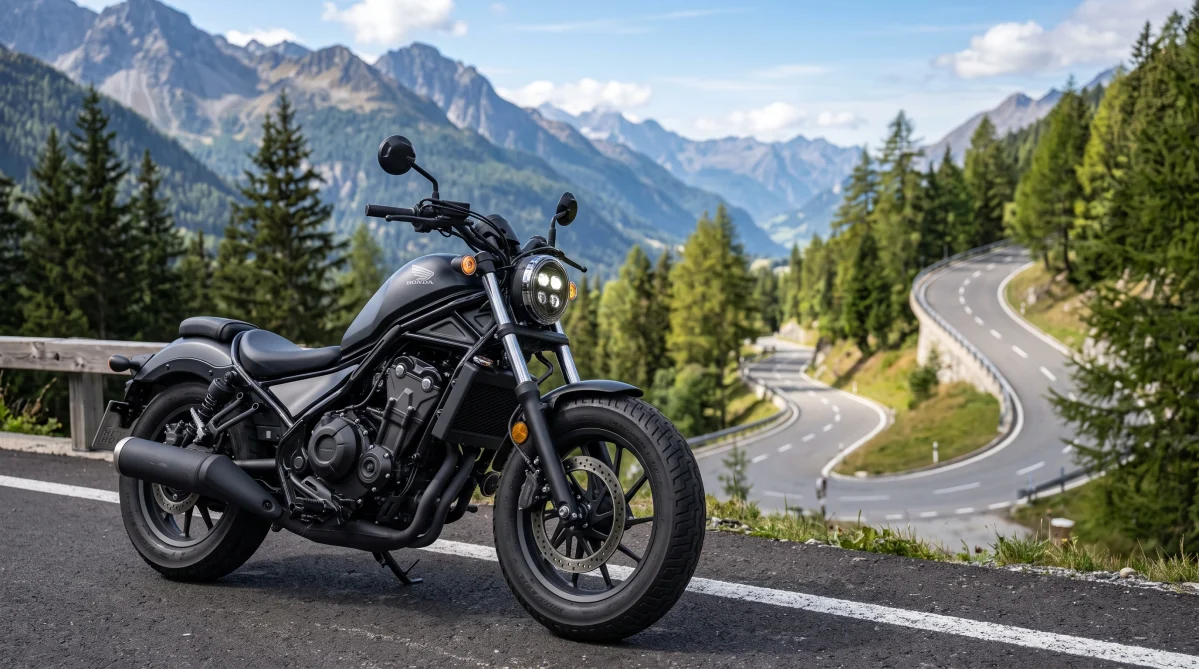
The 2026 Honda Rebel 500 earns our pick for newer riders because it combines an accessible riding position, practical engine performance, and straightforward operation in a classic cruiser design.
Why It’s Worth Considering
One of the Rebel 500’s biggest advantages is its low 27.2-inch seat height. This makes it easier for many riders to reach the ground at stops and feel more comfortable when maneuvering the motorcycle.
Its narrow design and relaxed riding position add to its approachable character.
With a curb weight of 414 pounds, the Rebel 500 isn’t exceptionally light, but its low seating position can make that weight feel more manageable.
Performance and Handling
The Rebel 500 uses a 471cc liquid-cooled parallel-twin engine paired with a six-speed manual transmission and slipper clutch.
The engine offers enough performance for everyday riding and highway travel without the displacement or power output of larger cruisers.
Its relatively compact dimensions make it suitable for city streets, commuting, and relaxed weekend rides.
Technology and Safety Features
The 2026 Rebel 500 keeps technology simple while including several useful features.
Standard equipment includes:
- Anti-lock braking system (ABS)
- Front and rear disc brakes
- Six-speed transmission with slipper clutch
- Fuel injection
- LED lighting
ABS is particularly worth considering for newer riders because it can help prevent wheel lock during hard braking.
The slipper clutch can also help reduce rear-wheel disturbance during aggressive downshifts.
Everyday Practicality
The Rebel 500’s low seat and compact cruiser design make it well suited to shorter trips, commuting, and recreational riding.
Its 3.0-gallon fuel tank is adequate for many everyday uses. However, riders planning longer trips should consider fuel stops and range.
The motorcycle’s minimalist design also means riders seeking substantial wind protection or luggage capacity may need to consider accessories.
Key Strengths
- Approachable 471cc parallel-twin engine
- Low 27.2-inch seat height
- Narrow, rider-friendly design
- Standard ABS
- Six-speed transmission with slipper clutch
- Comfortable cruiser-style riding position
- Suitable for commuting and weekend rides
- Straightforward controls and equipment
Things to Consider
Although the Rebel 500 is approachable, its 414-pound curb weight may be a challenge for some inexperienced riders, especially during slow-speed maneuvers.
Its low cruiser seating position may not suit every rider’s body proportions or comfort preferences.
Limited wind protection and modest fuel capacity may also make it less appealing for frequent long-distance touring.
As with any first motorcycle, proper rider training and a comfortable physical fit matter more than engine size alone.
Who It’s Best For
The Honda Rebel 500 is a strong choice for newer riders who prefer cruiser styling and want a motorcycle that can serve them beyond their initial learning period.
A combination of accessible ergonomics, usable performance, standard ABS, and everyday practicality makes it worth considering for commuting, local riding, and weekend adventures.
That’s why the 2026 Honda Rebel 500 earns our pick for the best motorcycle for newer riders in this roundup.
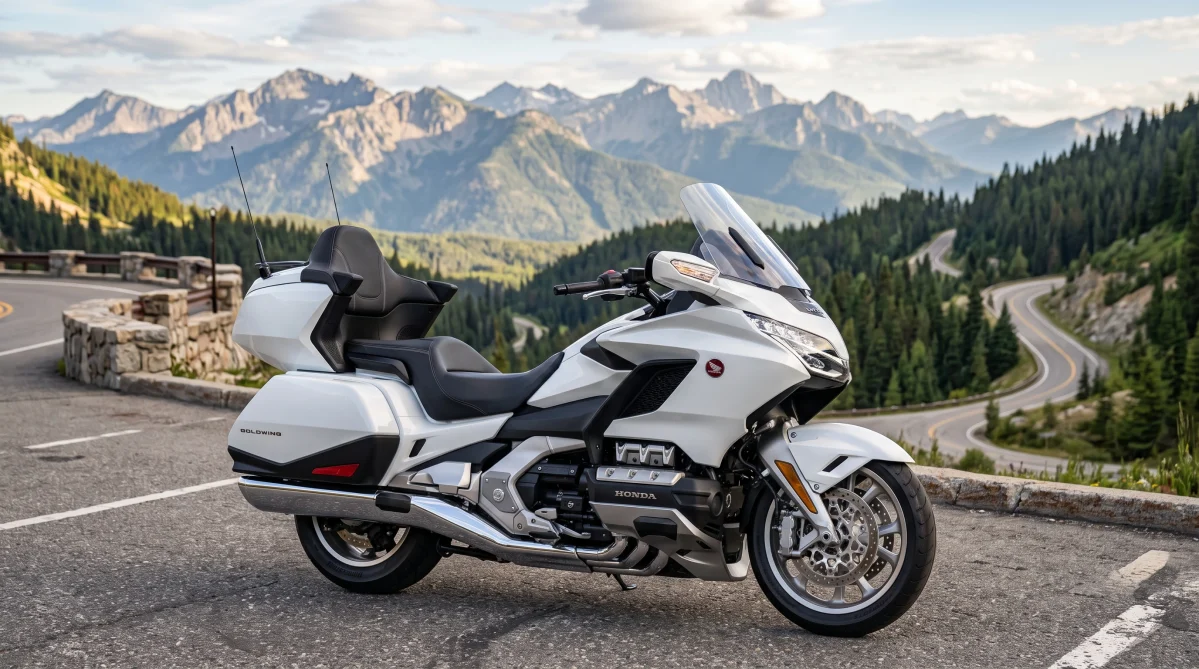
Best Touring Motorcycle: 2026 Honda Gold Wing Tour
Best For: Riders who prioritize long-distance comfort, passenger accommodations, luggage capacity, and the ability to spend full days exploring the open road.
The 2026 Honda Gold Wing Tour earns our pick for best touring motorcycle because it combines a smooth six-cylinder engine, extensive wind protection, comfortable accommodations, and practical features designed specifically for extended motorcycle travel.
Why It’s Worth Considering
Long-distance touring places different demands on a motorcycle than commuting or weekend riding.
Comfort, highway stability, luggage capacity, passenger accommodations, and protection from the elements become increasingly important when you’re spending several hours in the saddle.
The Gold Wing Tour addresses these priorities with a purpose-built touring design that emphasizes comfort and convenience without sacrificing the enjoyment of riding.
Performance and Handling
At the heart of the Gold Wing Tour is Honda’s 1833cc liquid-cooled, horizontally opposed six-cylinder engine.
This engine provides smooth power delivery and substantial torque, making it well suited to highway travel, mountain roads, and carrying a passenger with luggage.
The standard Gold Wing Tour features a six-speed manual transmission, while an available seven-speed Dual-Clutch Transmission (DCT) provides an alternative for riders who prefer automatic shifting.
Honda’s double-wishbone front suspension and Pro-Link rear suspension are designed to balance ride comfort with controlled handling.
Technology and Safety Features
The 2026 Gold Wing Tour offers an extensive collection of touring-oriented technology.
Notable features include:
- Anti-lock braking system (ABS)
- Honda Selectable Torque Control
- Electronic cruise control
- Electronically adjustable suspension
- Electrically adjustable windscreen
- Integrated navigation and smartphone connectivity
- Heated grips and seats
- Reverse function for easier low-speed maneuvering
Available DCT models add automatic shifting, while an airbag-equipped version is offered in the lineup.
These features contribute to the Gold Wing Tour’s appeal for riders who spend considerable time traveling.
Long-Distance Comfort and Practicality
Comfort is one of the Gold Wing Tour’s strongest selling points.
Its upright touring position, substantial fairing, adjustable windscreen, and supportive seating are designed to make extended highway travel more manageable.
Passenger accommodations are another important advantage, especially for riders who regularly travel two-up.
Integrated saddlebags and a 61-liter rear trunk provide storage for clothing, travel equipment, and other essentials.
The 5.5-gallon fuel tank supports extended trips, although actual range depends on riding conditions, speed, passenger weight, and luggage.
Key Strengths
- Smooth 1833cc six-cylinder engine
- Purpose-built long-distance touring design
- Excellent wind protection
- Comfortable rider and passenger accommodations
- Integrated luggage and spacious rear trunk
- Electronic cruise control
- Heated grips and seats
- Adjustable windscreen
- Available seven-speed DCT transmission
- Reverse function for parking and maneuvering
Things to Consider
The Gold Wing Tour is a large, heavy motorcycle.
Honda lists the standard manual-transmission model at approximately 845 pounds curb weight, which can make parking, pushing, and low-speed maneuvering more demanding than on smaller motorcycles.
Its size may also be less convenient for riders who primarily commute through congested city streets.
Purchase price, maintenance expenses, insurance, and replacement tires are additional considerations.
Although the Gold Wing Tour offers substantial touring capability, riders should evaluate whether they’ll use enough of those features to justify the investment.
Who It’s Best For
The Honda Gold Wing Tour is especially well suited to experienced riders who regularly take extended motorcycle trips, travel with a passenger, or prioritize comfort over lightweight maneuverability.
The combination of smooth power, touring technology, integrated storage, and passenger-friendly design makes it a compelling option for riders who enjoy covering serious distances.
That’s why the 2026 Honda Gold Wing Tour earns our pick for the best touring motorcycle in this roundup.
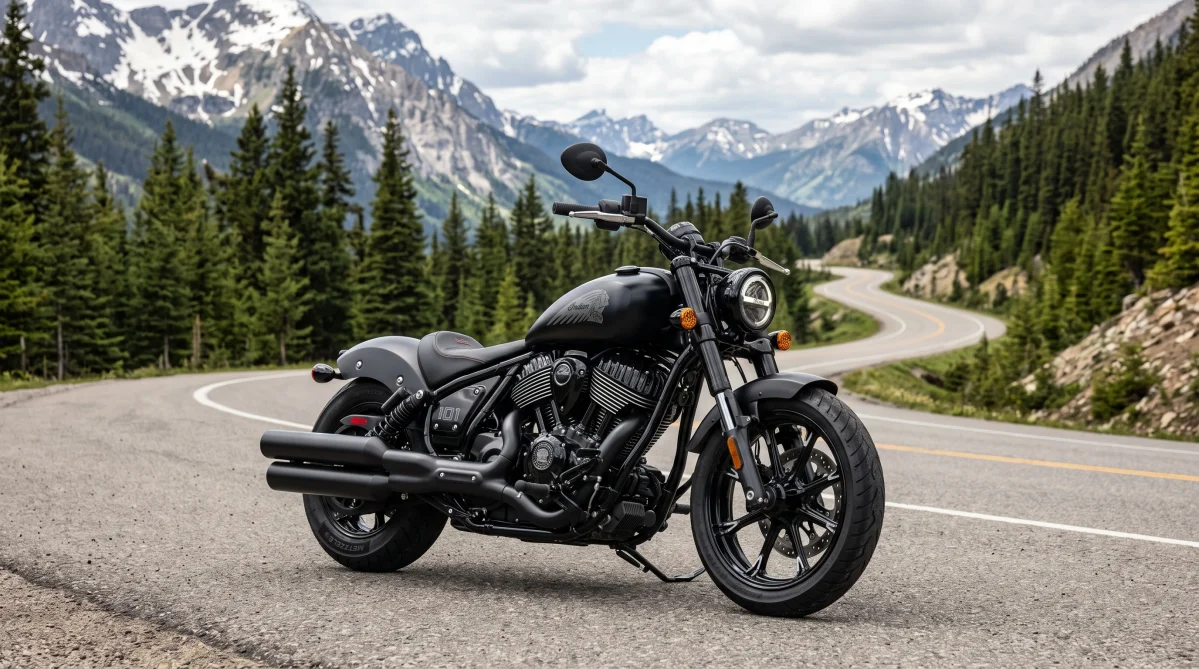
Best Cruiser: 2026 Indian 101 Scout
Best For: Riders who enjoy the cruiser style but want strong acceleration, responsive handling, premium components, and modern technology.
The 2026 Indian 101 Scout earns our pick for best cruiser because it combines classic American motorcycle styling with impressive performance and multiple features designed for riders who want more than relaxed cruising.
With its powerful V-twin engine, upgraded suspension, and distinctive appearance, the 101 Scout brings a sportier character to the cruiser category.
Why It’s Worth Considering
Cruisers are often associated with relaxed riding positions, low seats, and traditional styling. The Indian 101 Scout keeps those characteristics while placing more emphasis on performance and handling.
Its aggressive styling, compact quarter fairing, premium suspension, and powerful engine give it a personality that stands apart from more traditional cruisers.
For riders who enjoy weekend rides, winding roads, and spirited acceleration, the 101 Scout offers an appealing combination of style and capability.
Performance and Handling
The 2026 Indian 101 Scout features a 1,250cc liquid-cooled SpeedPlus V-twin engine producing 111 horsepower and 82 lb-ft of torque.
Power is delivered utilizing a six-speed transmission.
The motorcycle also includes performance-oriented components such as:
- 43mm inverted front forks
- Adjustable piggyback rear shocks
- Dual 320mm front brake discs
- Brembo four-piston front brake calipers
- Metzeler Cruisetec tires
These components distinguish the 101 Scout from cruisers designed primarily for relaxed highway riding.
Technology and Safety Features
The 101 Scout combines its traditional appearance with a useful collection of modern features.
Standard equipment includes:
- Anti-lock braking system (ABS)
- Traction control
- Selectable ride modes
- Electronic cruise control
- Keyless ignition
- USB charging port
- Four-inch display with Indian’s RIDE COMMAND system
- GPS navigation and Bluetooth connectivity
These features provide convenience and additional control without changing the motorcycle’s cruiser identity.
Everyday Comfort and Practicality
The 101 Scout has a low 26.8-inch unladen seat height, which helps keep the motorcycle upright when stopped.
Its cruiser-style riding position and raised handlebars have a distinctive feel, although comfort depends on the rider’s height, proportions, and preferences.
Indian lists its running-order weight at approximately 549 pounds.
The 3.4-gallon fuel tank is reasonable for recreational riding, but riders planning extended trips should consider the motorcycle’s fuel range.
The standard motorcycle comes with a solo seat and no integrated luggage. Passenger accommodations and storage accessories are available separately.
Key Strengths
- Powerful 1,250cc V-twin engine
- 111 horsepower and 82 lb-ft of torque
- Distinctive performance-cruiser styling
- Premium suspension components
- Dual front Brembo brakes
- Standard ABS and traction control
- Cruise control and selectable ride modes
- Four-inch RIDE COMMAND display
- Low seat height
- Strong appeal for recreational and weekend riding
Things to Consider
The Indian 101 Scout is more performance-focused than some traditional cruisers, which may not appeal to riders seeking a particularly relaxed touring experience.
Its 549-pound running-order weight also requires consideration, especially for newer riders or those who frequently maneuver in tight spaces.
The 3.4-gallon fuel tank, limited wind protection, and lack of standard luggage make it less touring-oriented than motorcycles designed specifically for long-distance travel.
Passenger accommodations require additional equipment.
The 101 Scout also occupies a premium position within Indian’s Scout lineup, so buyers should consider whether its performance upgrades and technology justify the additional cost.
Who It’s Best For
The Indian 101 Scout is especially appealing to experienced riders who appreciate traditional cruiser styling but want stronger performance and more sophisticated suspension and braking equipment.
It makes sense for riders who enjoy weekend cruising, scenic roads, and a motorcycle with a distinctive personality.
That’s why the 2026 Indian 101 Scout earns our pick for the best cruiser in this roundup.
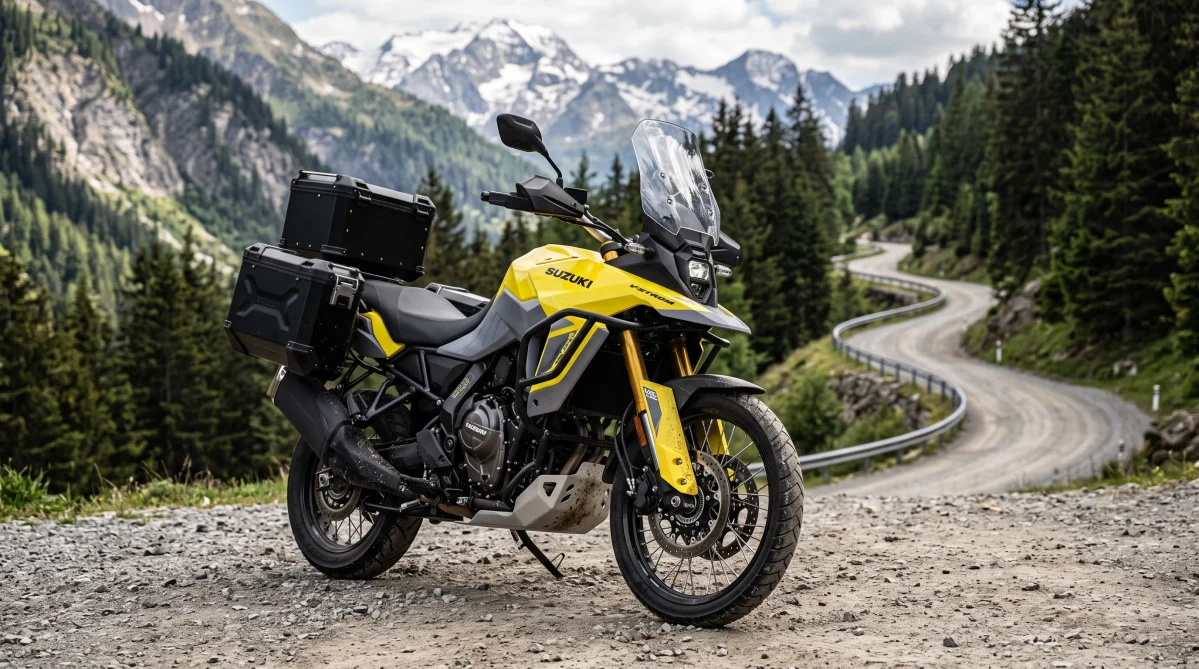
Best Adventure Motorcycle: 2026 Suzuki V-Strom 800DE
Best For: Riders who want a versatile adventure motorcycle capable of handling highway travel, winding back roads, gravel routes, and moderate off-road exploration.
The 2026 Suzuki V-Strom 800DE earns our pick for best adventure motorcycle because it combines a capable parallel-twin engine, long-travel suspension, adventure-oriented wheels, and modern rider aids in a motorcycle designed for varied riding conditions.
Why It’s Worth Considering
Adventure motorcycles appeal to riders who don’t want their journeys limited to paved roads.
The V-Strom 800DE is designed to handle everyday pavement riding while offering additional capability for gravel roads and unpaved routes.
Its upright riding position, substantial ground clearance, and adventure-focused chassis make it particularly appealing to riders who enjoy exploring beyond familiar highways.
Performance and Handling
The V-Strom 800DE features a 776cc liquid-cooled parallel-twin engine with a 270-degree crankshaft configuration.
This engine is designed to deliver usable torque across a broad range of riding conditions, from highway cruising to navigating uneven terrain.
The motorcycle also includes:
- Six-speed transmission
- Bidirectional quick shifter
- 21-inch front and 17-inch rear spoked wheels
- SHOWA suspension with 8.7 inches of travel
- 8.7 inches of ground clearance
- Adjustable front and rear suspension
These features give the V-Strom 800DE additional capability when pavement gives way to rougher surfaces.
Technology and Safety Features
Suzuki equips the 800DE with its Intelligent Ride System, which includes several electronic features designed to help riders adapt to different conditions.
Notable features include:
- Suzuki Drive Mode Selector
- Traction control with a dedicated Gravel mode
- Adjustable ABS
- Ability to deactivate rear-wheel ABS for off-road riding
- Ride-by-wire throttle
- Bidirectional quick shifter
- Five-inch color TFT display
- USB charging connection
The Gravel traction-control mode is particularly useful for riders who regularly encounter loose surfaces.
However, these electronic systems do not replace riding skills, suitable tires, or careful judgment when riding off pavement.
Adventure Comfort and Practicality
The V-Strom 800DE’s upright ergonomics and adjustable windscreen make it suitable for highway travel and adventure riding.
Its 5.3-gallon fuel tank provides useful capacity for longer journeys, although actual range depends on speed, terrain, luggage, and riding conditions.
Suzuki also offers accessories such as luggage, heated grips, and additional protection equipment for riders preparing for extended trips.
The motorcycle’s 33.7-inch seat height and 507-pound curb weight are important considerations for shorter riders or those who frequently navigate difficult terrain.
Key Strengths
- Versatile 776cc parallel-twin engine
- Adventure-oriented 21-inch front wheel
- Long-travel adjustable suspension
- 8.7 inches of ground clearance
- Gravel-specific traction-control mode
- Adjustable ABS with rear-wheel deactivation
- Bidirectional quick shifter
- Five-inch TFT display
- 5.3-gallon fuel tank
- Suitable for mixed pavement and unpaved-road travel
Things to Consider
The V-Strom 800DE’s tall seat and substantial weight may make it challenging for some riders when maneuvering at low speeds or navigating uneven terrain.
Although it offers genuine off-pavement capability, its weight makes it less suitable for demanding technical trails than a lighter dual-sport motorcycle.
Its adventure-focused wheel and tire setup may also involve compromises compared with motorcycles designed primarily for paved-road touring.
Riders who rarely leave pavement may find a more road-oriented adventure or sport-touring motorcycle better suited to their needs.
Who It’s Best For
The Suzuki V-Strom 800DE is particularly appealing to riders who want to combine highway travel, scenic back roads, gravel routes, and occasional off-road exploration.
Its balance of engine performance, suspension capability, rider aids, and touring practicality makes it a strong option for adventure-minded motorcyclists.
That’s why the 2026 Suzuki V-Strom 800DE earns our pick for the best adventure motorcycle in this roundup.
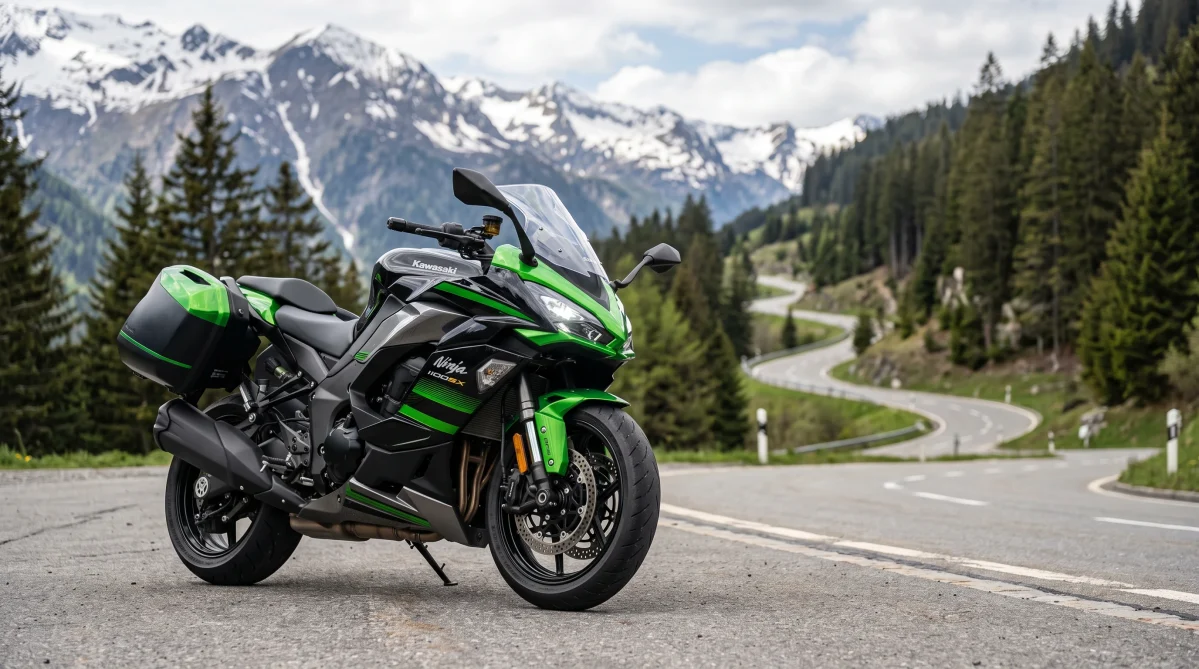
Best Sport-Touring Motorcycle: 2026 Kawasaki Ninja 1100SX ABS
Best For: Riders who want sportbike performance, responsive handling, and enough comfort and practicality for weekend trips and longer highway rides.
The 2026 Kawasaki Ninja 1100SX ABS earns our pick for best sport-touring motorcycle because it combines a powerful four-cylinder engine, sophisticated rider aids, wind protection, and touring-oriented features in a performance-focused package.
Why It’s Worth Considering
Sport-touring motorcycles offer a balance between two different riding experiences.
On one hand, riders want responsive acceleration, precise handling, and the enjoyment of winding roads. On the other, they need enough comfort, wind protection, and practicality to travel longer distances.
The Ninja 1100SX is designed around that balance.
Its full fairing, adjustable windscreen, upright sport riding position, and electronic cruise control make it more suitable for extended travel than a dedicated supersport motorcycle.
Performance and Handling
The 2026 Ninja 1100SX ABS features a 1,099cc liquid-cooled inline-four engine producing a manufacturer-rated 134 horsepower and 83.2 lb-ft of torque.
Power is delivered with a six-speed transmission with an assist-and-slipper clutch.
The motorcycle also includes:
- 41mm inverted SHOWA front fork with adjustable damping and preload
- Horizontal back-link rear suspension with remotely adjustable spring preload
- Dual 300mm front brake discs
- Radially mounted four-piston front brake calipers
- Kawasaki Quick Shifter for clutchless shifting under supported conditions
These components give the Ninja 1100SX a strong performance foundation while retaining features useful for everyday riding and touring.
Technology and Safety Features
Kawasaki equips the Ninja 1100SX ABS with a comprehensive collection of electronic rider aids.
Notable features include:
- Anti-lock braking system (ABS)
- Kawasaki Intelligent Anti-Lock Brake System (KIBS)
- Kawasaki Traction Control (KTRC)
- Kawasaki Cornering Management Function (KCMF)
- Selectable power modes
- Integrated riding modes
- Electronic cruise control
- Kawasaki Quick Shifter
- Four-way adjustable windscreen
- 4.3-inch TFT color display
- Smartphone connectivity
- USB-C charging port
These features help the motorcycle adapt to different riding conditions while adding convenience during longer journeys.
Electronic cruise control is especially useful for riders who spend considerable time traveling on highways.
Sport-Touring Comfort and Practicality
The Ninja 1100SX offers a more touring-friendly riding position than many dedicated sport motorcycles, although it retains a sport-oriented character.
Its adjustable windscreen and fairing provide more wind protection, while the seat and handlebar arrangement are designed for comfort and responsive handling.
The motorcycle has a 5.0-gallon fuel tank, making it suitable for longer trips between fuel stops.
Kawasaki also offers compatible luggage accessories for riders who want more storage capacity.
With a 32.3-inch seat height and an approximate 518-pound curb weight, the Ninja 1100SX is heavy enough to feel planted on the highway while remaining considerably lighter than a full-size luxury touring motorcycle.
Key Strengths
- Powerful 1,099cc inline-four engine
- Manufacturer-rated 134 horsepower
- Sport-oriented handling and braking
- Electronic cruise control
- Adjustable windscreen
- Advanced traction control and ABS systems
- Kawasaki Quick Shifter
- TFT display and smartphone connectivity
- Five-gallon fuel tank
- Optional touring luggage
- Good balance of performance and touring practicality
Things to Consider
Although the Ninja 1100SX is designed for sport touring, its riding position may not provide the same relaxed comfort as a dedicated touring motorcycle.
Riders who regularly travel with a passenger or carry substantial luggage may prefer a motorcycle with more integrated touring accommodations.
Its powerful engine and approximately 518-pound curb weight also make it less suitable for inexperienced riders.
Additionally, riders looking for features such as heated grips, premium Brembo front brakes, and an upgraded Öhlins rear shock should consider the more expensive Ninja 1100SX SE ABS.
Who It’s Best For
The Kawasaki Ninja 1100SX ABS is especially appealing to experienced riders who want a performance-oriented motorcycle but also want the freedom to take longer trips.
It makes sense for riders who spend weekends exploring winding roads, occasionally travel several hundred miles, and appreciate modern electronics without moving to a full-size touring motorcycle.
That’s why the 2026 Kawasaki Ninja 1100SX ABS earns our pick for the best sport-touring motorcycle in this roundup.
Best Standard/Naked Motorcycle: 2026 Kawasaki Z900 ABS
Best For: Experienced riders looking for a powerful naked motorcycle that combines responsive performance, sporty handling, modern electronics, and everyday versatility.
The 2026 Kawasaki Z900 ABS earns our pick for best standard/naked motorcycle because it combines strong four-cylinder performance, aggressive styling, and sophisticated rider technology in a motorcycle designed for riders who enjoy an engaging experience on the road.
With its upright riding position, responsive engine, and performance-oriented chassis, the Z900 offers a balance between everyday usability and spirited recreational riding.
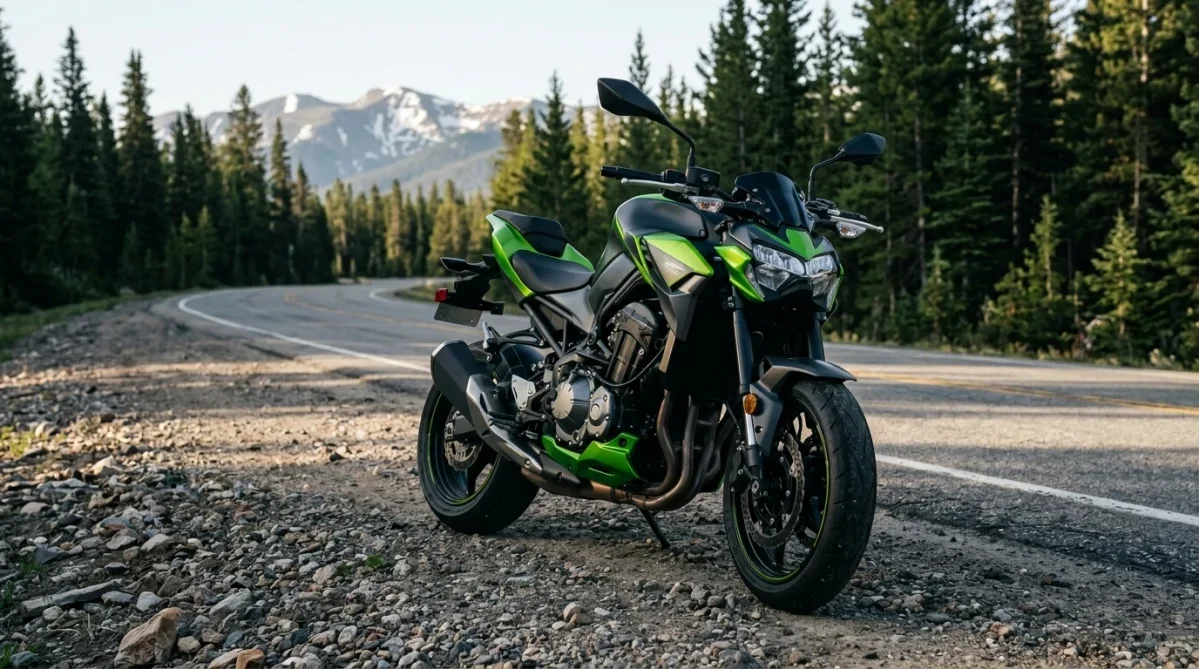
Why It’s Worth Considering
Naked motorcycles appeal to riders who want strong performance without the full fairings and aggressive riding positions commonly associated with dedicated sportbikes.
The Kawasaki Z900 takes that concept further with its distinctive streetfighter styling, powerful engine, and modern electronic features.
It provides a more performance-focused alternative to smaller middleweight naked motorcycles while retaining a relatively natural riding position.
For experienced riders who enjoy commuting during the week and exploring winding roads on weekends, the Z900 offers an appealing combination of capability and versatility.
Performance and Handling
The 2026 Kawasaki Z900 ABS features a 948cc liquid-cooled inline-four engine producing a manufacturer-rated 123 horsepower and 73.1 lb-ft of torque.
Power is delivered through a six-speed transmission with an assist-and-slipper clutch.
Its performance-oriented chassis includes:
- High-tensile steel trellis frame
- 41mm inverted front fork with adjustable rebound damping and spring preload
- Horizontal back-link rear suspension with adjustable rebound damping and spring preload
- Dual 300mm front brake discs
- Radially mounted four-piston front brake calipers
- 17-inch front and rear wheels
These components provide a foundation for responsive handling and controlled braking.
The Z900’s inline-four engine also gives it a different character from the twin-cylinder motorcycles featured earlier in this roundup.
Technology and Safety Features
Kawasaki equips the 2026 Z900 ABS with an extensive collection of electronic rider aids and convenience features.
Notable equipment includes:
- Anti-lock braking system (ABS)
- Kawasaki Traction Control (KTRC)
- Kawasaki Cornering Management Function (KCMF)
- Selectable power modes
- Integrated riding modes
- Electronic cruise control
- Kawasaki Quick Shifter (KQS)
- IMU-enhanced electronic rider assistance
- Five-inch TFT color display
- Smartphone connectivity through Kawasaki’s RIDEOLOGY app
- Available turn-by-turn navigation and voice-command functionality
These features allow riders to adjust certain motorcycle characteristics to suit different conditions and preferences.
Electronic cruise control is ideal for longer highway stretches, while the quick shifter adds convenience during performance-oriented riding.
Everyday Comfort and Practicality
Although the Z900 emphasizes performance, its upright riding position and relatively wide handlebars make it suitable for more than occasional recreational use.
The motorcycle has a 31.9-inch seat height and a curb weight of approximately 468–470 pounds, depending on the U.S. emissions configuration.
Its 4.5-gallon fuel tank provides reasonable capacity for commuting and weekend rides, although actual range depends on riding conditions and throttle use.
The naked-bike design offers limited wind protection compared with motorcycles equipped with larger fairings.
Riders planning frequent long-distance trips may want to consider a windscreen, luggage accessories, or a more touring-oriented motorcycle.
Key Strengths
- Powerful 948cc inline-four engine
- Manufacturer-rated 123 horsepower
- Responsive performance-oriented chassis
- Upright naked-bike ergonomics
- Advanced traction control and ABS
- Electronic cruise control
- Kawasaki Quick Shifter
- Multiple riding and power modes
- Five-inch TFT display
- Smartphone connectivity
- Suitable for commuting and spirited weekend riding
Things to Consider
The Kawasaki Z900 ABS is a powerful motorcycle, and its performance may be more demanding than newer riders need.
Its approximately 470-pound curb weight also requires consideration when maneuvering at low speeds.
Although its upright riding position offers everyday versatility, the lack of substantial wind protection can become noticeable during extended highway travel.
Riders who frequently travel with a passenger or carry substantial luggage may prefer a dedicated sport-touring or touring motorcycle.
The Z900 SE ABS offers upgraded suspension and braking components, but those premium features come at an additional cost.
Who It’s Best For
The Kawasaki Z900 ABS is appealing to experienced riders who want the excitement of a high-performance naked motorcycle without committing to the aggressive ergonomics of a dedicated supersport bike.
It makes sense for riders who enjoy winding roads, responsive acceleration, and modern electronics while still wanting a motorcycle suitable for regular everyday use.
That’s why the 2026 Kawasaki Z900 ABS earns our pick for the best standard/naked motorcycle in this roundup.
Best for Commuting / Everyday Riding: 2026 Honda NC750X DCT
Best For: Riders who want a practical, comfortable, and versatile motorcycle for daily commuting, errands, weekend rides, and occasional longer trips.
The 2026 Honda NC750X DCT earns our pick for best commuting and everyday motorcycle because it combines a manageable engine character, automatic shifting, integrated storage, and comfortable ergonomics in a package designed for regular use.
While many motorcycles emphasize performance, styling, or specialized riding capabilities, the NC750X focuses on making everyday motorcycling convenient and enjoyable.
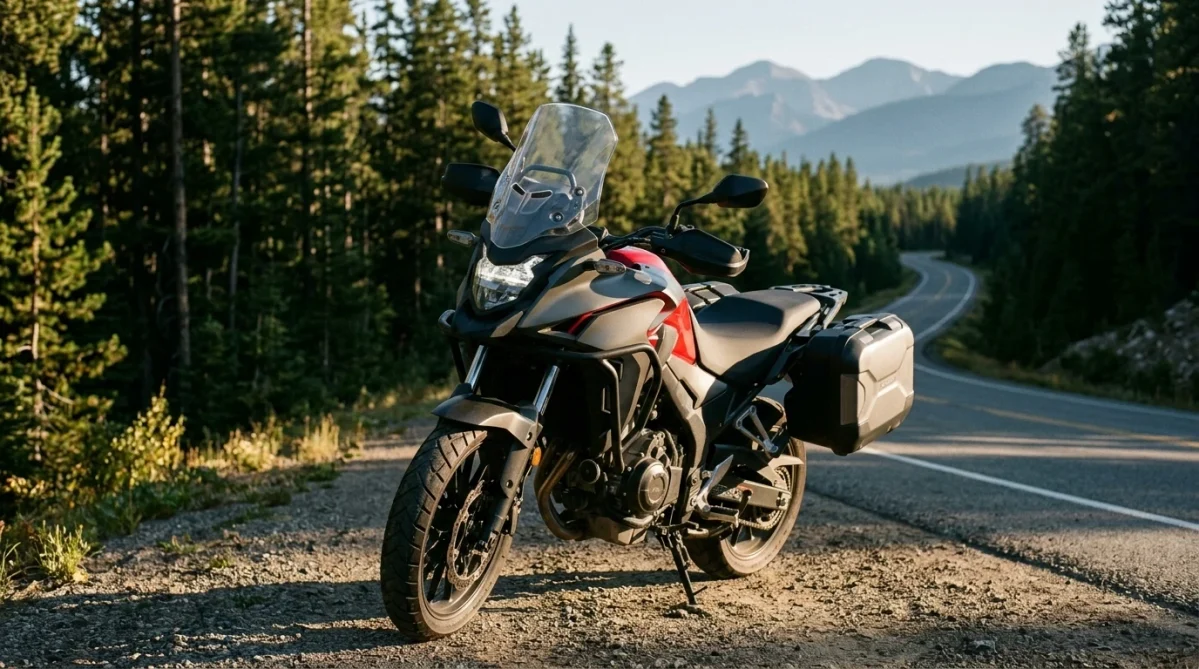
Why It’s Worth Considering
For riders who use their motorcycles regularly, practicality can be just as important as horsepower or aggressive styling.
The Honda NC750X DCT offers several features that make it especially appealing for commuting and everyday transportation.
Its automatic Dual-Clutch Transmission eliminates the need to operate a traditional clutch lever, while its integrated storage compartment provides useful space for personal belongings.
The upright riding position, windscreen, and predictable engine characteristics also contribute to its everyday appeal.
For riders who want a motorcycle that fits comfortably into their daily routine, the NC750X deserves consideration.
Performance and Handling
The 2026 Honda NC750X DCT features a 745cc liquid-cooled parallel-twin engine designed to provide usable low- and mid-range power.
Rather than emphasizing maximum horsepower, the engine focuses on delivering accessible performance for city streets, suburban roads, and highway travel.
The motorcycle includes:
- 745cc liquid-cooled parallel-twin engine
- Six-speed automatic Dual-Clutch Transmission
- 41mm SHOWA front fork with 4.7 inches of travel
- Rear suspension with 4.7 inches of travel
- Dual 296mm front brake discs
- Single 240mm rear brake disc
- 17-inch front and rear wheels
The NC750X’s combination of engine characteristics and chassis design makes it well suited to varied everyday riding conditions.
Technology and Safety Features
One of the NC750X DCT’s most distinctive features is Honda’s automatic Dual-Clutch Transmission.
The system allows riders to operate the motorcycle without manually coordinating a clutch lever and gear shifter.
Riders can let the transmission select gears automatically or use handlebar controls to request manual shifts.
Additional features include:
- Anti-lock braking system (ABS)
- Honda Selectable Torque Control (HSTC)
- Selectable riding modes
- Throttle-by-wire technology
- Honda RoadSync smartphone connectivity
- Digital instrumentation
- Electronic fuel injection
The selectable riding modes allow riders to adjust certain performance characteristics to match their preferences and riding conditions.
These features make the NC750X particularly appealing to riders who value convenience and adaptability.
Everyday Comfort and Practicality
Practicality is where the Honda NC750X DCT stands out.
Unlike most motorcycles, the NC750X includes a secure storage compartment in the area where a conventional motorcycle’s fuel tank would normally be located.
This compartment offers approximately 23 liters of storage capacity and can accommodate many full-face helmets, depending on their size and shape.
The actual fuel tank is positioned beneath the seat.
Additional practical features include:
- Upright riding position
- Windscreen for additional wind protection
- Comfortable seat design
- Integrated storage compartment
- Automatic transmission
- 3.7-gallon fuel tank
- 31.6-inch seat height
The motorcycle has a manufacturer-listed curb weight of 497 pounds.
Although that weight is worth considering during parking and low-speed maneuvering, the NC750X’s balanced design and automatic transmission may make everyday operation more convenient for many riders.
Its combination of storage, comfort, and ease of operation also makes it useful for commuting to work, running errands, and enjoying recreational rides.
Key Strengths
- Practical 745cc parallel-twin engine
- Six-speed automatic Dual-Clutch Transmission
- Convenient integrated storage compartment
- Comfortable upright riding position
- ABS and selectable traction control
- Multiple riding modes
- Smartphone connectivity
- Useful wind protection
- Suitable for city streets and highway travel
- Strong emphasis on everyday convenience
Things to Consider
The Honda NC750X DCT prioritizes practicality over aggressive performance, so riders seeking strong acceleration or a more sporting character may prefer another motorcycle in this roundup.
Its automatic transmission may also be less appealing to riders who enjoy operating a traditional manual clutch and gear shifter.
Although the NC750X has adventure-inspired styling, it is primarily oriented toward paved-road use rather than demanding off-road riding.
Prospective riders looking for a smaller, lighter motorcycle should keep in mind the 497-pound curb weight and 31.6-inch seat height of this model.
Finally, riders planning frequent extended trips may want additional luggage and touring accessories.
Who It’s Best For
The Honda NC750X DCT is particularly appealing to riders who use their motorcycles regularly and place a high value on convenience, comfort, and practicality.
It makes sense for commuters, recreational riders, and motorcyclists who want the flexibility to handle errands, highway travel, and weekend outings without needing a highly specialized machine.
Its automatic transmission and integrated storage are especially attractive features for riders looking to simplify their everyday riding experience.
That’s why the 2026 Honda NC750X DCT earns our pick for the best commuting and everyday motorcycle in this roundup.
What to Consider Before Buying a Motorcycle in 2026
Choosing the right motorcycle involves more than comparing horsepower, styling, or manufacturer specifications. A motorcycle that works perfectly for one rider may be uncomfortable or impractical for another.
Before making a purchase, consider how you plan to ride, your experience level, and the features that matter most to you.
1. Your Riding Experience
Your experience level should play an important role in choosing a motorcycle.
Newer riders often benefit from motorcycles with predictable power delivery, manageable weight, and comfortable ergonomics.
For example, the Honda Rebel 500 offers a relatively approachable combination of engine performance and low seat height.
Experienced riders may prefer motorcycles with stronger acceleration, more sophisticated suspension, or additional performance features.
Regardless of experience, choose a motorcycle that allows you to operate the controls confidently and comfortably.
2. How You Plan to Use the Motorcycle
Think about where and how frequently you’ll ride.
Different motorcycles are designed around different priorities:
- Daily commuting: Comfortable ergonomics, manageable handling, fuel efficiency, and convenient storage.
- Weekend cruising: Relaxed riding positions, enjoyable engine characteristics, and styling that matches your preferences.
- Long-distance touring: Wind protection, luggage capacity, passenger comfort, and highway stability.
- Adventure riding: Suitable suspension, ground clearance, tires, and capability for unpaved roads.
- Sport riding: Responsive handling, strong braking, and performance-oriented suspension.
The motorcycle that best matches your most common riding conditions is usually a better choice than one selected primarily for occasional situations.
3. Seat Height, Weight, and Riding Position
A motorcycle’s physical dimensions can significantly affect comfort and confidence.
Seat height matters, but it isn’t the only consideration. Seat width, suspension sag, and your leg length also influence how easily you can reach the ground.
Weight distribution and steering geometry affect how a motorcycle feels when maneuvering at low speeds.
Whenever possible, sit on a motorcycle before purchasing it and evaluate whether you can comfortably reach the handlebars, foot controls, and ground.
4. Engine Performance and Power Delivery
Engine displacement and horsepower provide useful information, but they don’t tell the entire story.
Two motorcycles with similar engine sizes can feel very different because of their engine configurations, gearing, throttle response, and overall weight.
Consider whether you prefer:
- Smooth, predictable acceleration
- Strong low- and mid-range torque
- High-revving sport-oriented performance
- Relaxed highway cruising
- A balance of everyday usability and recreational performance
For many riders, controllable power delivery is more valuable than maximum horsepower.
5. Comfort for Your Typical Riding Distance
A motorcycle that feels comfortable during a short test ride may feel very different after several hours.
Consider the seat, handlebar reach, footpeg placement, wind protection, and suspension characteristics.
If you regularly take longer trips, features such as cruise control, heated grips, adjustable windscreens, and luggage compatibility may be worth prioritizing.
Riders who primarily commute short distances may place greater value on maneuverability and ease of operation.
6. Safety Features and Rider Technology
Modern motorcycles offer electronic systems that can improve control and convenience.
Depending on the model, these may include:
- Anti-lock braking systems (ABS)
- Traction control
- Selectable riding modes
- Electronic cruise control
- Quick shifters
- Smartphone connectivity
- Electronic suspension adjustments
ABS and traction control are especially worth considering, but remember that electronic assistance cannot overcome poor traction, excessive speed, or unsafe riding decisions.
Choose technology that supports your riding needs rather than paying extra for features you are unlikely to use.
7. Purchase Price and Ownership Costs
The advertised purchase price is only part of the overall cost of motorcycle ownership.
Your budget should also account for:
- Sales taxes and registration fees
- Insurance premiums
- Routine maintenance
- Tires and replacement parts
- Fuel
- Protective riding gear
- Optional accessories
- Financing costs, when applicable
Insurance and maintenance expenses can vary significantly between motorcycles, so comparing estimated ownership costs before purchasing can help prevent surprises.
8. Test Rides and Dealer Support
Whenever possible, arrange a test ride through an authorized dealer or appropriate demonstration event.
A test ride can help you evaluate throttle response, braking, steering, vibration, and overall comfort in ways that specifications alone cannot.
Also consider the availability of qualified service technicians, replacement parts, warranty coverage, and nearby dealerships.
A motorcycle that is easy to maintain and support can make ownership more enjoyable over time.
Making the Final Decision
There is no single motorcycle that will be the best choice for every rider.
The right motorcycle should match your experience, intended use, physical comfort, budget, and personal preferences.
Use the models in this roundup as a starting point, compare the features that matter most to you, and take the time to evaluate your options before making a purchase.
The best motorcycle isn’t necessarily the fastest, most expensive, or most technologically advanced. It’s the one that fits the way you actually ride.
Quick Comparison: Best Motorcycles of 2026
Each motorcycle in this roundup offers a different combination of performance, comfort, technology, and practicality.
The following table provides a quick overview to help you identify which models deserve a closer look.
| Motorcycle | Our Pick For | Engine | Primary Strength |
|---|---|---|---|
| 2026 Yamaha MT-07 | Best Overall / All-Around | 689cc twin | Versatility and approachable performance |
| 2026 Honda Rebel 500 | Best for Newer Riders | 471cc twin | Low seat height and manageable power |
| 2026 Honda Gold Wing Tour | Best Touring | 1,833cc six-cylinder | Long-distance comfort and touring features |
| 2026 Indian 101 Scout | Best Cruiser | 1,250cc V-twin | Cruiser styling and strong performance |
| 2026 Suzuki V-Strom 800DE | Best Adventure | 776cc twin | Mixed-surface capability |
| 2026 Kawasaki Ninja 1100SX ABS | Best Sport-Touring | 1,099cc four-cylinder | Sport performance with touring practicality |
| 2026 Kawasaki Z900 ABS | Best Standard/Naked | 948cc four-cylinder | Strong performance and modern electronics |
| 2026 Honda NC750X DCT | Best Commuting / Everyday | 745cc twin | Automatic shifting and integrated storage |
Which Motorcycle Should You Choose?
If you’re still narrowing down your options, start with your primary riding needs.
For general-purpose riding, the Yamaha MT-07 offers an appealing balance of performance and everyday usability.
Newer riders may appreciate the approachable characteristics of the Honda Rebel 500, while riders focused on long-distance travel should take a closer look at the Honda Gold Wing Tour.
If cruiser styling and performance are priorities, the Indian 101 Scout deserves your attention.
Adventure-minded riders may prefer the Suzuki V-Strom 800DE, while riders seeking sport-oriented performance with touring capability should consider the Kawasaki Ninja 1100SX ABS.
The Kawasaki Z900 ABS appeals to riders who want a powerful naked motorcycle, and the Honda NC750X DCT stands out for everyday convenience and practicality.
Ultimately, the best choice depends on your experience, riding preferences, comfort, and budget.
Final Thoughts: Finding the Right Motorcycle for Your Riding Style
The motorcycles worth considering in 2026 demonstrate just how many choices riders have when it comes to performance, comfort, technology, and everyday practicality.
From the approachable Honda Rebel 500 to the long-distance capabilities of the Honda Gold Wing Tour, each motorcycle in this roundup serves a different purpose.
Some riders prioritize responsive handling and strong acceleration. Others value comfort, storage, fuel efficiency, or the freedom to explore unfamiliar roads.
The important thing is to choose a motorcycle that fits your experience, riding habits, and personal preferences rather than simply following the latest trends.
Before making your decision, compare the specifications that matter most, visit dealerships when possible, and take advantage of available test rides.
Remember that manufacturer specifications and published features are useful starting points, but they cannot fully replace the experience of sitting on or riding a motorcycle yourself.
Keep Exploring with RiderWorx
Finding the right motorcycle is only the beginning. Choosing appropriate riding gear, preparing for longer trips, and discovering new roads are all part of the experience.
At RiderWorx, we focus on practical motorcycle information to help riders make informed decisions and get more enjoyment out of every ride.
Explore more of our motorcycle guides, gear recommendations, and riding destinations as you plan your next adventure.
Ride smart. Choose what fits. Enjoy the journey.
Do you have a favorite ride or gear recommendation? Let us know.