Motorcycle Helmet Guides
How to Choose the Right Helmet for Every Ride
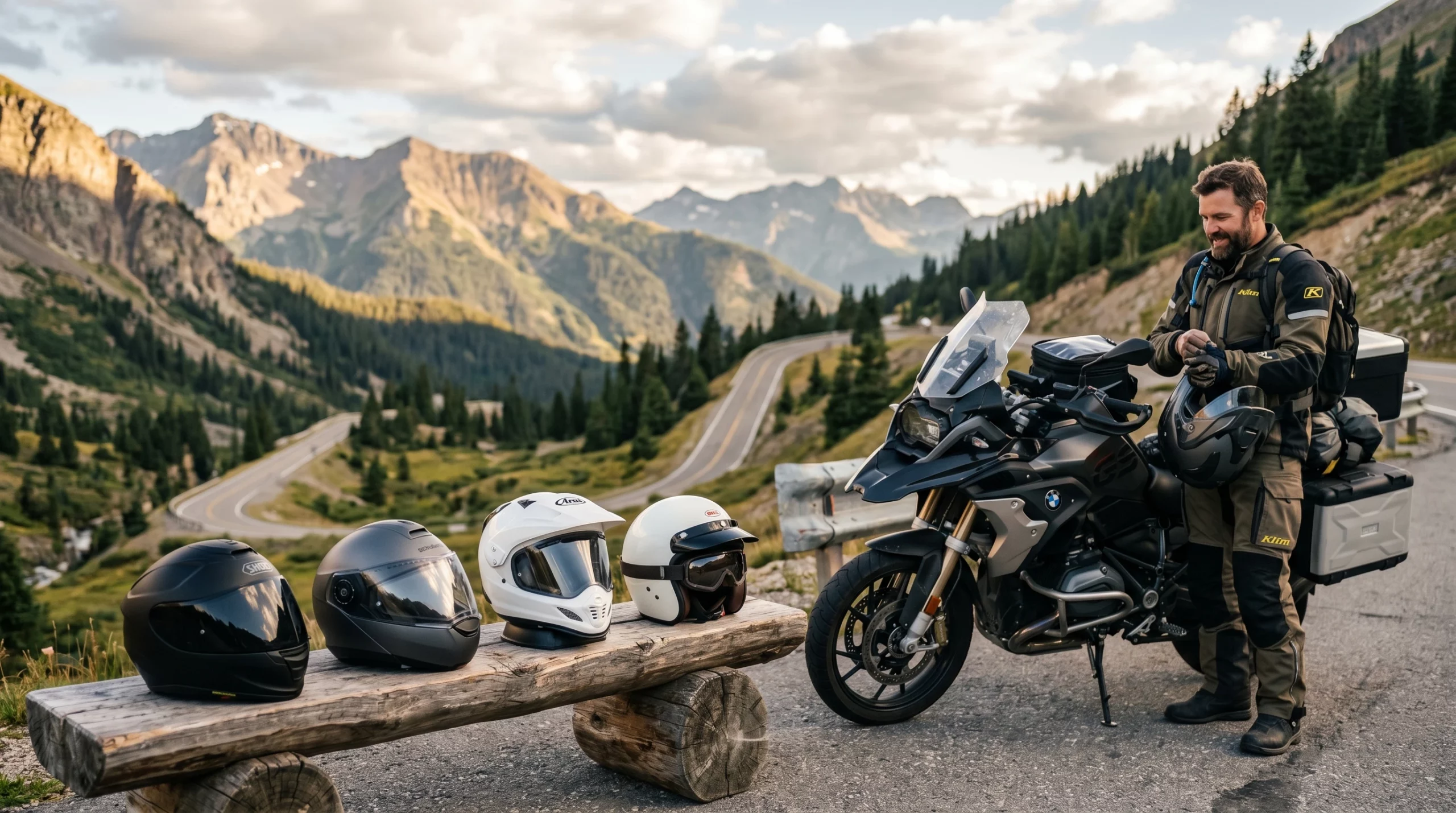
A motorcycle helmet is the single most important piece of riding gear you’ll ever purchase.
Whether you’re commuting across town, exploring mountain roads, or embarking on a cross-country touring adventure, the right helmet can improve safety, comfort, communication, and overall riding enjoyment.
With so many helmet styles, safety ratings, and features available, choosing the right one can feel overwhelming.
This guide explains the major helmet types, key features to consider, and how to find the best helmet for your riding style.
Featured Helmet Guides
Find the right helmet for your riding style.
Featured Articles
-

Best Budget Motorcycle Helmets for New Riders (2026 Guide)
Buying your first motorcycle helmet can feel overwhelming. New riders are often faced with dozens of brands, price points, safety…
-
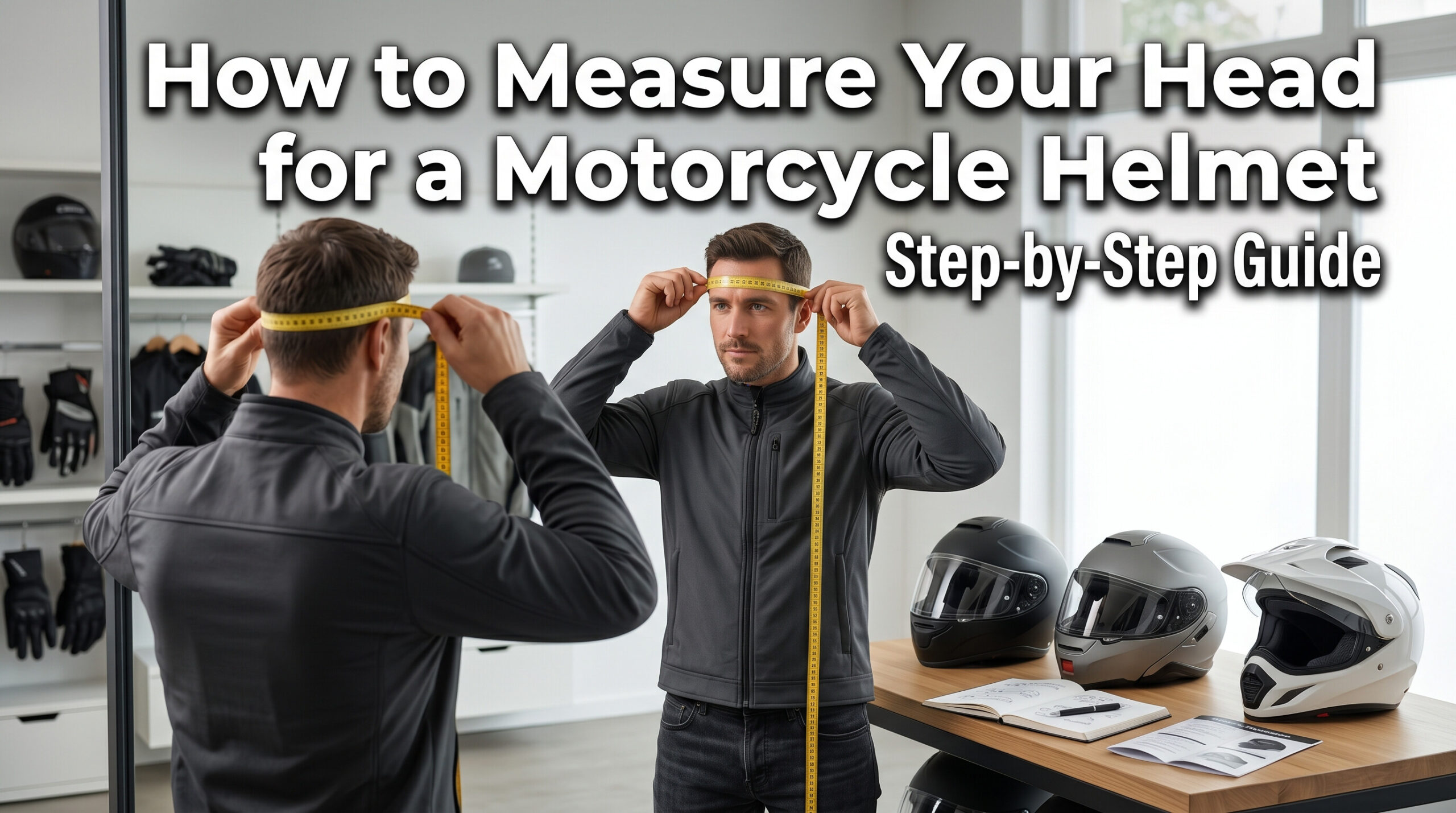
How to Measure Your Head for a Motorcycle Helmet (Step-by-Step Guide)
Finding the right motorcycle helmet starts with proper measurement. Even the safest and most expensive helmet cannot perform as intended…
-
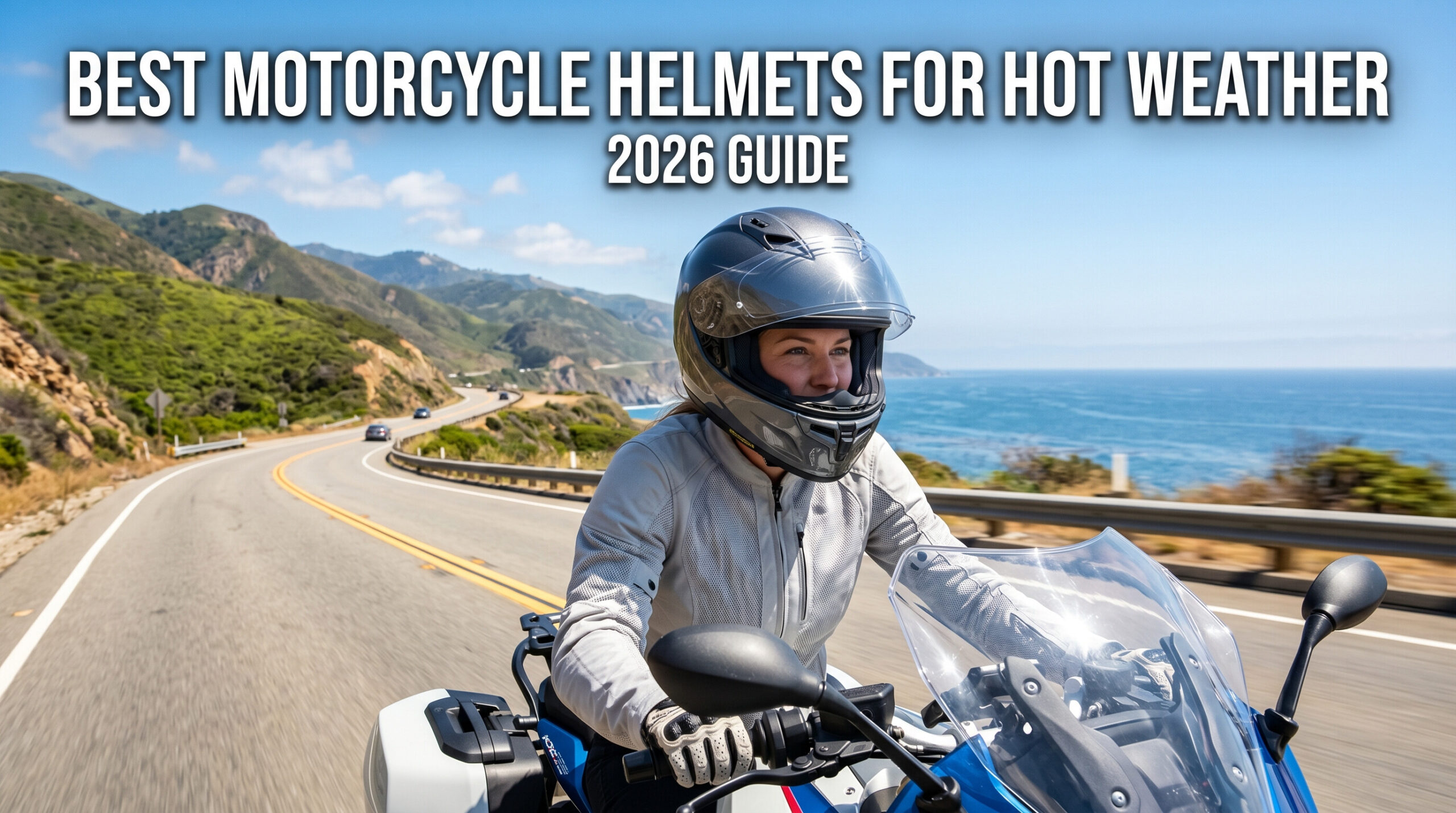
Best Motorcycle Helmets for Hot Weather Riding (2026 Guide)
Few things can make a ride uncomfortable faster than excessive heat. While riders often focus on jackets, gloves, and hydration,…
-
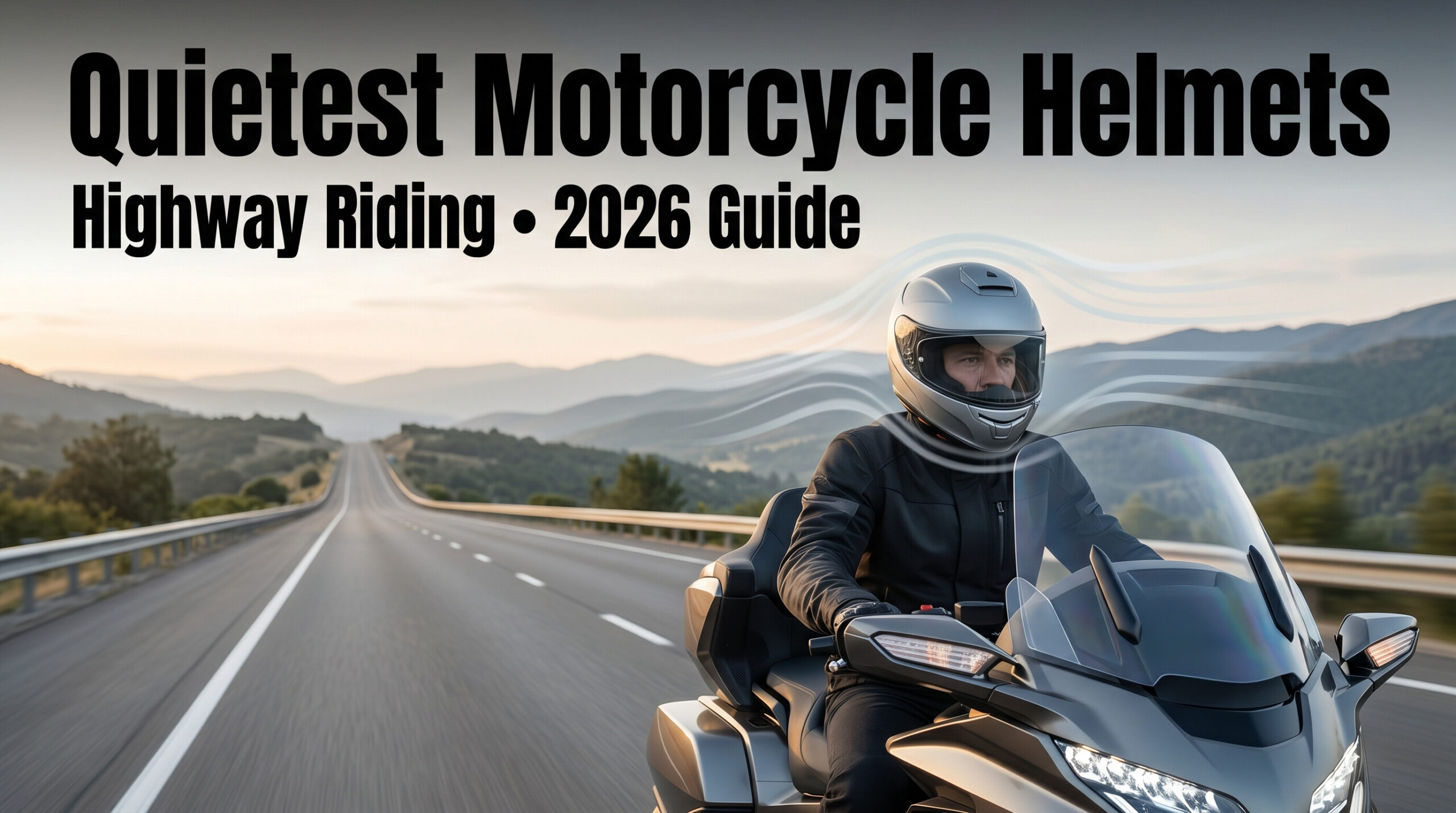
Quietest Motorcycle Helmets for Highway Riding (2026 Guide)
Wind noise is one of the most overlooked causes of rider fatigue. While most riders focus on protection, ventilation, and…
-
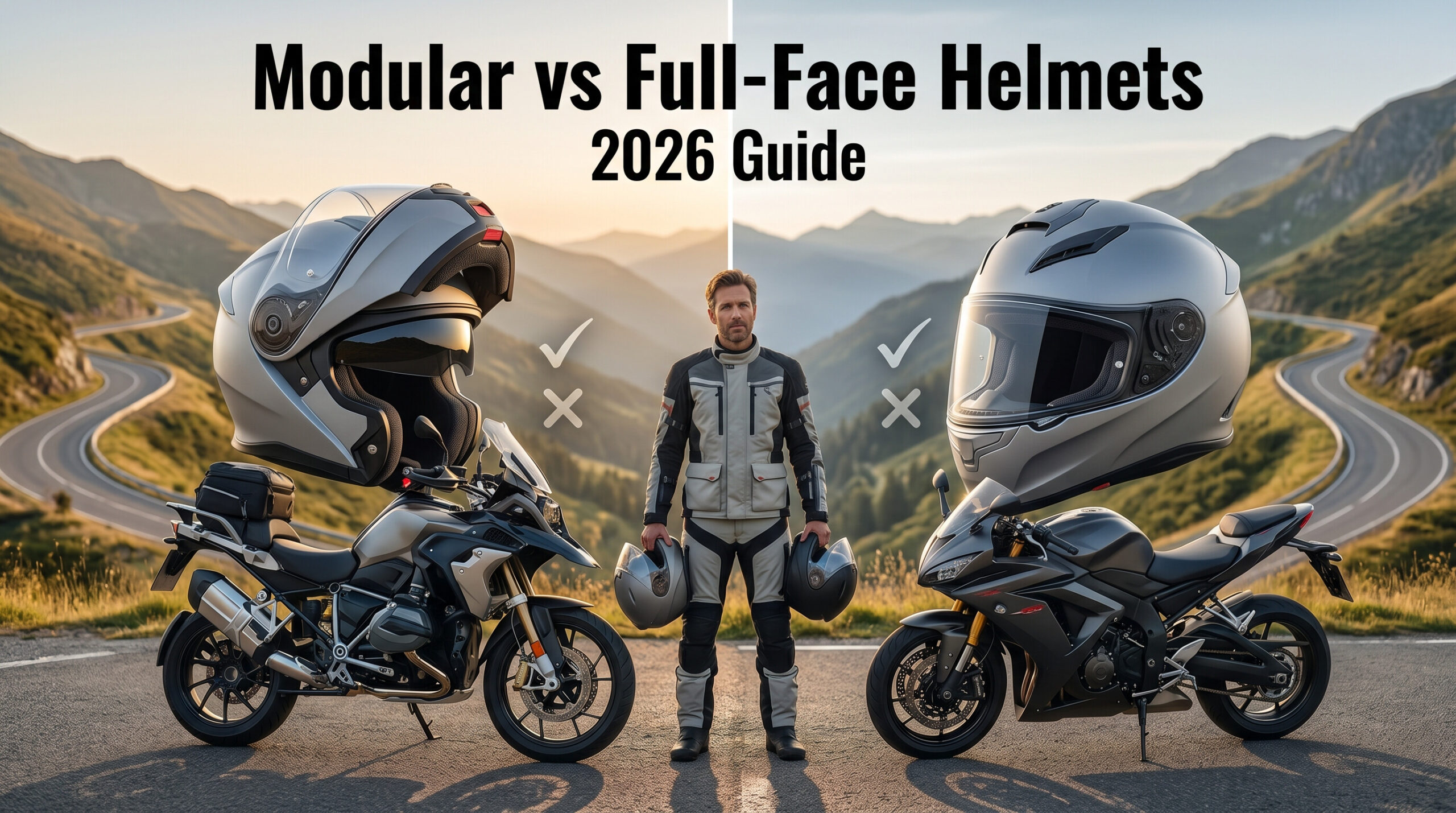
Modular vs Full-Face Motorcycle Helmets (2026 Guide)
Choosing between a modular helmet and a full-face helmet is one of the most common decisions touring riders face. Both…
-
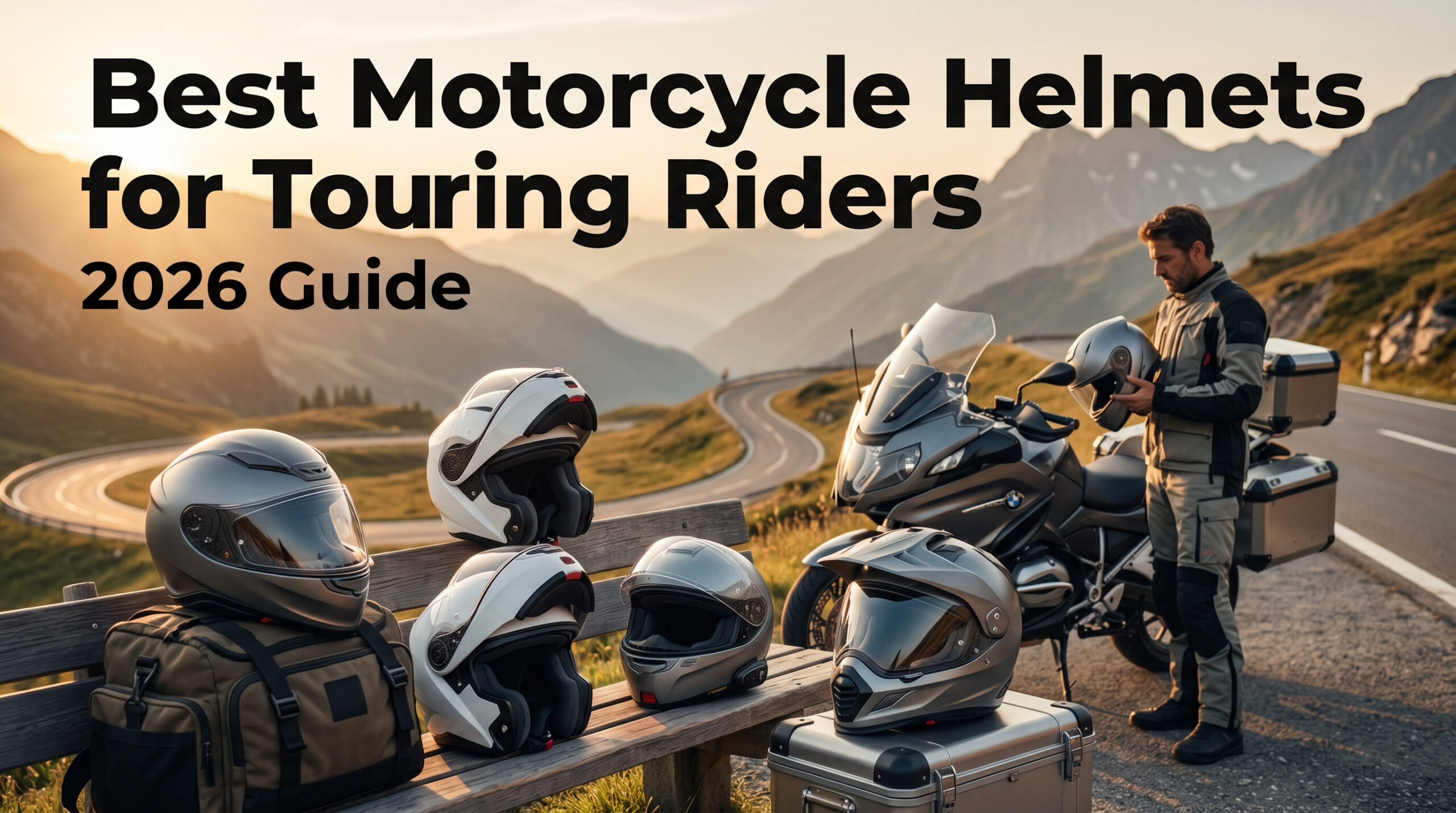
Best Motorcycle Helmets for Touring Riders (2026 Guide)
Choosing the right motorcycle helmet for touring is one of the most important gear decisions a rider can make. When…
Why Helmet Selection Matters
A quality helmet does far more than meet safety requirements.
The right helmet can provide:
- Impact protection
- Reduced wind noise
- Better ventilation
- Improved comfort
- Communication system compatibility
- Reduced rider fatigue
During long-distance rides, comfort becomes almost as important as protection.
A helmet that fits properly and manages wind, noise, and airflow effectively can dramatically improve the riding experience.
Understanding Motorcycle Helmet Types
Different riding styles often benefit from different helmet designs.
Full-Face Helmets
Full-face helmets provide the highest level of coverage and protection.
Advantages:
- Maximum face protection
- Excellent weather protection
- Reduced wind noise
- Improved aerodynamics
Best For:
- Touring
- Sport touring
- Daily commuting
- Long-distance travel
Modular Helmets
Modular helmets feature a flip-up chin bar that combines characteristics of full-face and open-face designs.
Advantages:
- Easier communication during stops
- Convenient fueling
- Improved versatility
Best For:
- Touring riders
- Adventure riders
- Long-distance travel
Many touring riders consider modular helmets the ideal balance between comfort and convenience.
Open-Face Helmets
Open-face helmets cover the top and sides of the head but leave the face exposed.
Advantages:
- Excellent airflow
- Open riding experience
- Lighter feel
Disadvantages:
- Less protection
- Greater wind exposure
- Increased noise levels
Best For:
- Casual riding
- Urban riding
- Warm-weather cruising
Adventure Helmets
Adventure helmets combine features from street and off-road designs.
Advantages:
- Excellent visibility
- Versatility
- Peak visor options
Best For:
- Adventure touring
- Mixed-surface riding
- Backcountry travel
Read Modular vs Full-Face Motorcycle Helmets
Understanding Helmet Safety Ratings
Modern helmets may carry several different certifications.
DOT Certification
Required for street-legal helmets sold in the United States.
DOT certification establishes minimum safety standards.
ECE Certification
Widely respected international standard.
ECE-certified helmets undergo extensive testing procedures.
Snell Certification
Voluntary certification program known for rigorous impact testing.
Often found on premium helmets.
How a Helmet Should Fit
Proper fit is critical.
A helmet should:
- Feel snug without causing pain
- Sit evenly around the head
- Remain stable when moved
- Avoid pressure points
A loose helmet may not provide optimal protection during an impact.
A helmet that is too tight can become uncomfortable during long rides.
Features Touring Riders Should Prioritize
Not every feature matters equally.
For touring riders, these are often the most important considerations.
Comfort
Long days require long-term comfort.
Pay attention to:
- Interior padding
- Weight
- Pressure points
Ventilation
Good airflow helps regulate temperature and reduce fatigue.
Look for:
- Adjustable intake vents
- Exhaust vents
- Effective airflow channels
Noise Management
Wind noise contributes significantly to rider fatigue.
Some helmets are specifically designed to reduce noise levels during highway riding.
See Quietest Motorcycle Helmets for Highway Riding
Communication System Compatibility
Many riders use Bluetooth communicators for:
- Navigation
- Music
- Phone calls
- Rider-to-rider communication
Helmet compatibility can simplify installation.
Visor Quality
A quality visor should provide:
- Clear optics
- Easy operation
- Effective sealing
- Optional sun visor systems
Common Helmet Buying Mistakes
Buying Based on Appearance Alone
A helmet may look great, but fit poorly.
Fit should always come first.
Ignoring Weight
A few ounces may seem insignificant until hour six of a day of touring.
Choosing the Cheapest Option
A helmet is one of the most important investments a rider makes.
Focus on safety, fit, and comfort rather than price alone.
Skipping a Test Ride
Even a well-fitting helmet can reveal issues after extended use.
Pay attention to comfort during your first few rides.
Choosing the Right Helmet for Your Riding Style
Touring Riders
Prioritize:
- Comfort
- Noise reduction
- Ventilation
- Communication compatibility
Commuters
Prioritize:
- Convenience
- Visibility
- Weather protection
Adventure Riders
Prioritize:
- Versatility
- Airflow
- Peak visor functionality
Weekend Riders
Prioritize:
- Comfort
- Safety
- Overall value
Read Motorcycle Helmet Guides: How to Choose the Right Helmet for Every Ride
Final Thoughts
The best motorcycle helmet is the one that fits properly, meets recognized safety standards, and matches your riding style.
For many touring riders, a quality full-face or modular helmet offers the ideal combination of protection, comfort, and convenience. However, every rider’s needs are different.
Take time to evaluate fit, comfort, ventilation, and safety features before making a purchase. A well-chosen helmet can improve every ride, whether you’re heading across town or across the country.